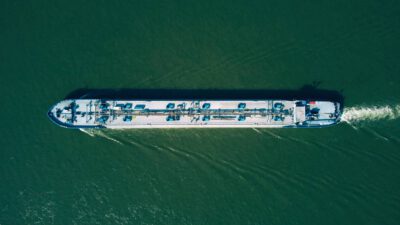
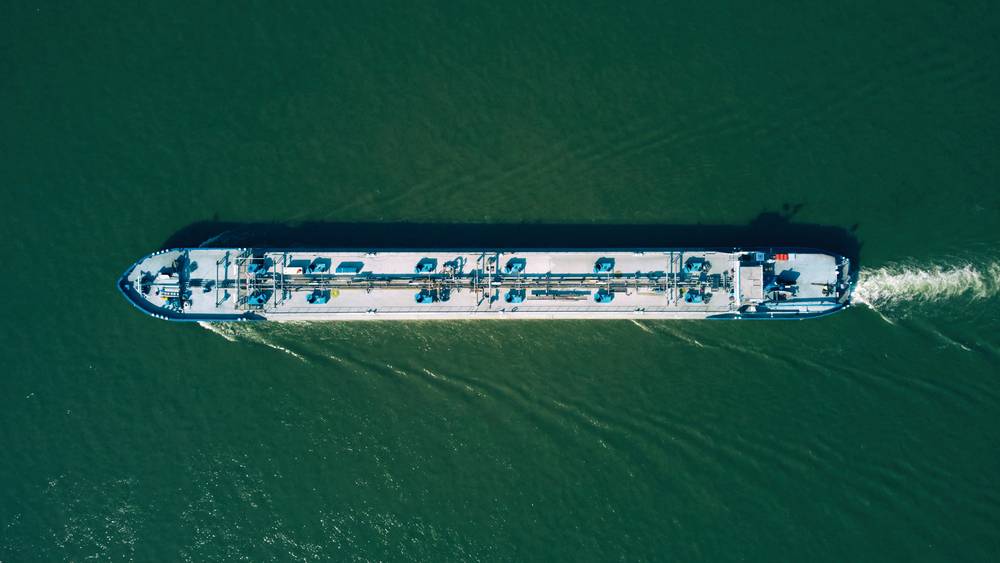
On a quiet stretch of water off the Norwegian coast, a container vessel moves steadily forward with no crew on deck and no captain on the bridge. Its course is plotted, adjusted, and executed by algorithms, guided by a network of sensors and remote operators miles away. What until recently sounded like science fiction is now becoming part of everyday maritime reality.
The maritime sector, long defined by tradition and human expertise, is undergoing a profound transformation. Autonomous maritime systems, ranging from unmanned surface vessels to fully autonomous ships, are moving from experimental pilots to real-world deployment. Advances in artificial intelligence, sensor fusion, and connectivity are redefining how oceans are monitored, secured, and navigated.
From naval missions and offshore energy to port operations and commercial shipping, autonomy at sea is no longer a distant vision; it is rapidly becoming a strategic necessity.
Putting Concepts in Motion
In recent years, autonomous maritime technologies have shifted from research initiatives into operational systems. Governments and major industry players are investing heavily in the field, recognizing the long-term potential of autonomy to reshape maritime logistics and security.
Norway has emerged as a global pioneer. The Yara Birkeland, widely regarded as the world’s first fully electric and autonomous container vessel, has entered commercial operation and is gradually transitioning toward higher levels of autonomy. In parallel, the European Union continues to support large-scale programs such as AUTOSHIP and MOSES, designed to accelerate the adoption of autonomous vessels in regional shipping.
Momentum is equally strong in Asia. Japanese shipping companies, supported by national policy, have demonstrated autonomous navigation in busy and complex waterways. South Korea has set ambitious goals for commercial deployment within the current decade. Industry projections point to sustained market growth, driven by the need for efficiency, safety and cost reduction.
Israel’s Role in Maritime Autonomy
Against this global backdrop, Israel is steadily positioning itself as a relevant and increasingly visible player in autonomous maritime technologies, drawing on its strengths in artificial intelligence, sensing, and defense systems.
Companies such as Elbit Systems are developing autonomous surface vessels and integrated maritime surveillance solutions, primarily for defense and homeland security applications. Rafael Advanced Defense Systems is also active in advanced naval systems, including capabilities that support autonomous and semi-autonomous operations.
On the commercial side, Orbit Communication Systems provides satellite communication solutions that enable reliable remote vessel operations, a critical component in autonomous maritime frameworks. Startups such as Captain’s Eye are introducing computer vision technologies designed to enhance situational awareness and support safer navigation.
While Israel’s ecosystem is still evolving in this field, its capabilities in AI, sensing, and system integration position it as a growing contributor to the global shift toward maritime autonomy.
Putting Technology First
Autonomous maritime systems are built on the integration of multiple advanced technologies. Artificial intelligence enables vessels to interpret dynamic conditions and make real-time decisions, from route optimization to collision avoidance. At the same time, sensor fusion combines data from radar, LiDAR, cameras, AIS, and sonar to create a detailed and continuous picture of the maritime environment.
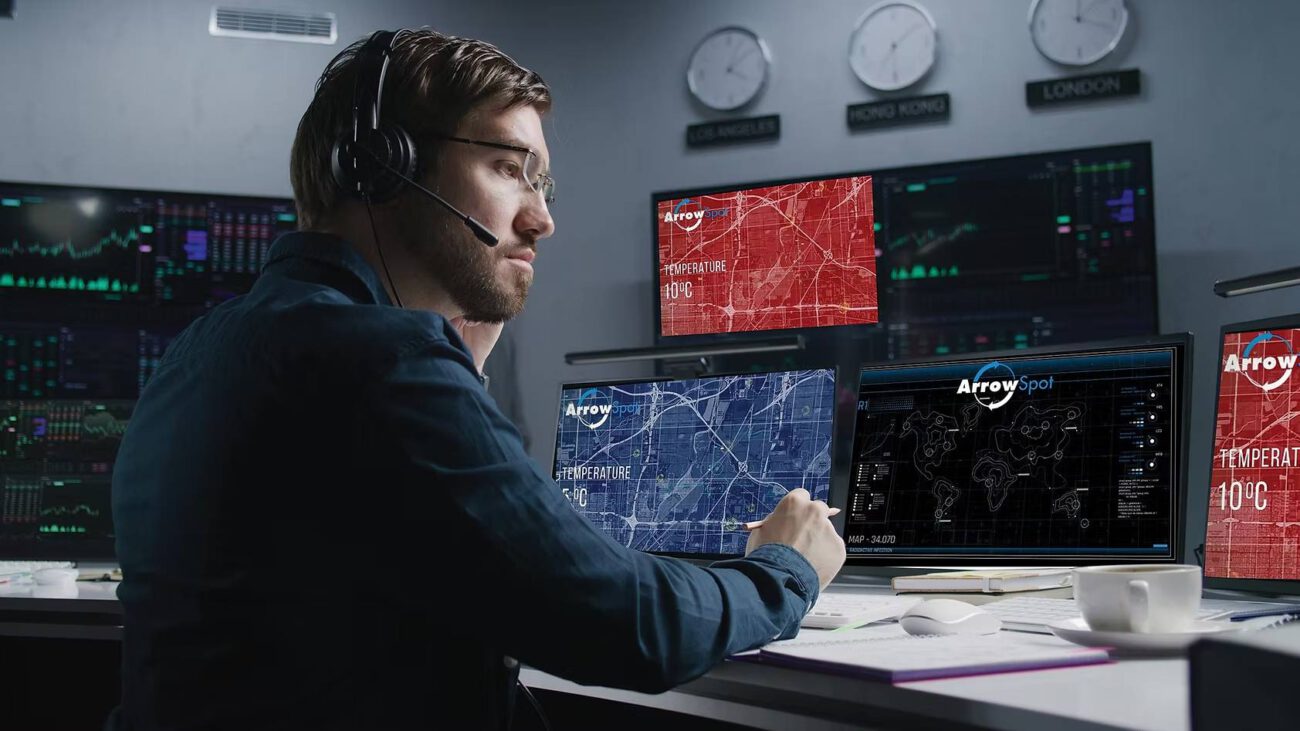
Connectivity plays a crucial role. Satellite communications, supported by edge computing, allow vessels to operate remotely or semi-autonomously even in areas with limited bandwidth. Unlike autonomous vehicles on land, ships operate in open and unpredictable environments where weather, sea conditions, and the absence of structured traffic routes add significant complexity. As a result, most systems today operate at varying degrees of autonomy, with human oversight remaining an integral component.
The Two Drivers: Defense and Security
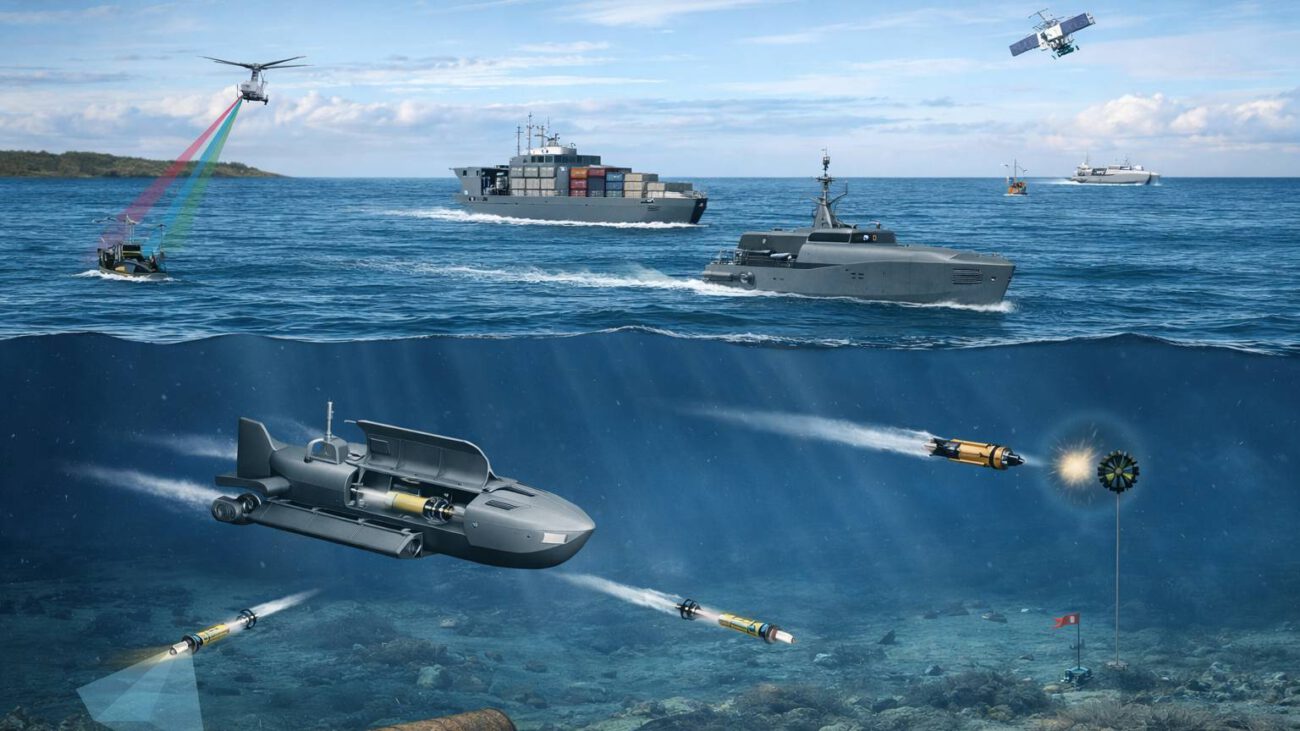
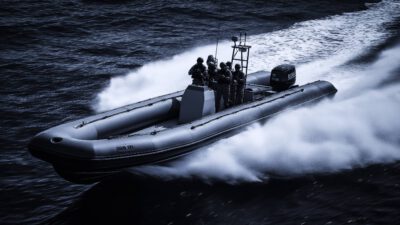
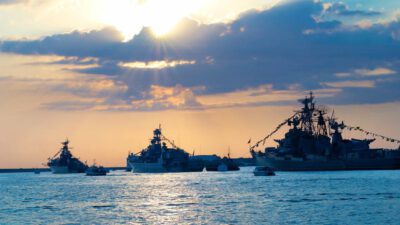
The defense sector has been a central driver in the development of autonomous maritime technologies. Navies are increasingly deploying unmanned systems for surveillance, mine countermeasures, and anti-submarine operations.
These platforms offer distinct advantages. They reduce risk to human life, enable longer and more persistent missions, and can be deployed at lower operational cost. As maritime threats evolve, autonomous systems are being integrated into broader security frameworks to support the protection of ports, offshore infrastructure, and undersea communication lines. Their ability to provide continuous, real-time monitoring is becoming a critical asset.
Expanding Commercial Applications
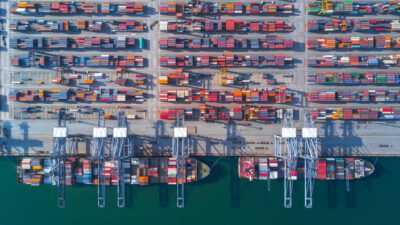
Commercial adoption is gradually following. Autonomous technologies are being introduced to address structural challenges within the shipping industry.
Improving operational efficiency is a primary objective. Autonomous navigation systems can continuously analyze environmental and operational data, enabling more efficient routing and reduced fuel consumption. At the same time, the industry is facing a growing shortage of skilled seafarers, prompting interest in remotely operated and semi-autonomous vessels.
Safety is another key factor. A significant proportion of maritime incidents is attributed to human error, and automation offers the potential to reduce such risks through consistent, data-driven decision-making. In parallel, autonomy is enabling new vessel types and business models, particularly in short-distance and coastal shipping.
Regulation: Still Catching Up
Despite rapid technological progress, regulatory frameworks are still evolving. The International Maritime Organization is examining how existing conventions apply to Maritime Autonomous Surface Ships, but a comprehensive regulatory structure has yet to be fully defined.
Questions around liability, remote operation, cybersecurity and certification remain under discussion. Until clearer guidelines are established, large-scale deployment is expected to proceed cautiously, particularly in international waters.
A Promising Future, A Challenging Process
The path to full autonomy involves several challenges. Cybersecurity risks are increasing as vessels become more connected. System reliability must meet exceptionally high standards in harsh maritime environments. In addition, autonomous vessels will need to operate safely alongside conventional ships, requiring new communication protocols and operational norms.
Equally important is the question of trust. Industry stakeholders, regulators, and the public will need to gain confidence in these systems before widespread adoption can take place.
Setting the Course Ahead
The transition toward autonomous maritime operations is expected to be gradual. Hybrid models that combine human crews with advanced automation and remote support are likely to dominate in the near term. Over time, as technologies mature and regulatory clarity improves, fully autonomous vessels will become more prevalent, particularly in controlled environments.
What is already evident is the direction of progress. Autonomy is set to become a defining feature of the maritime sector, reshaping operations, business models, and global competition.