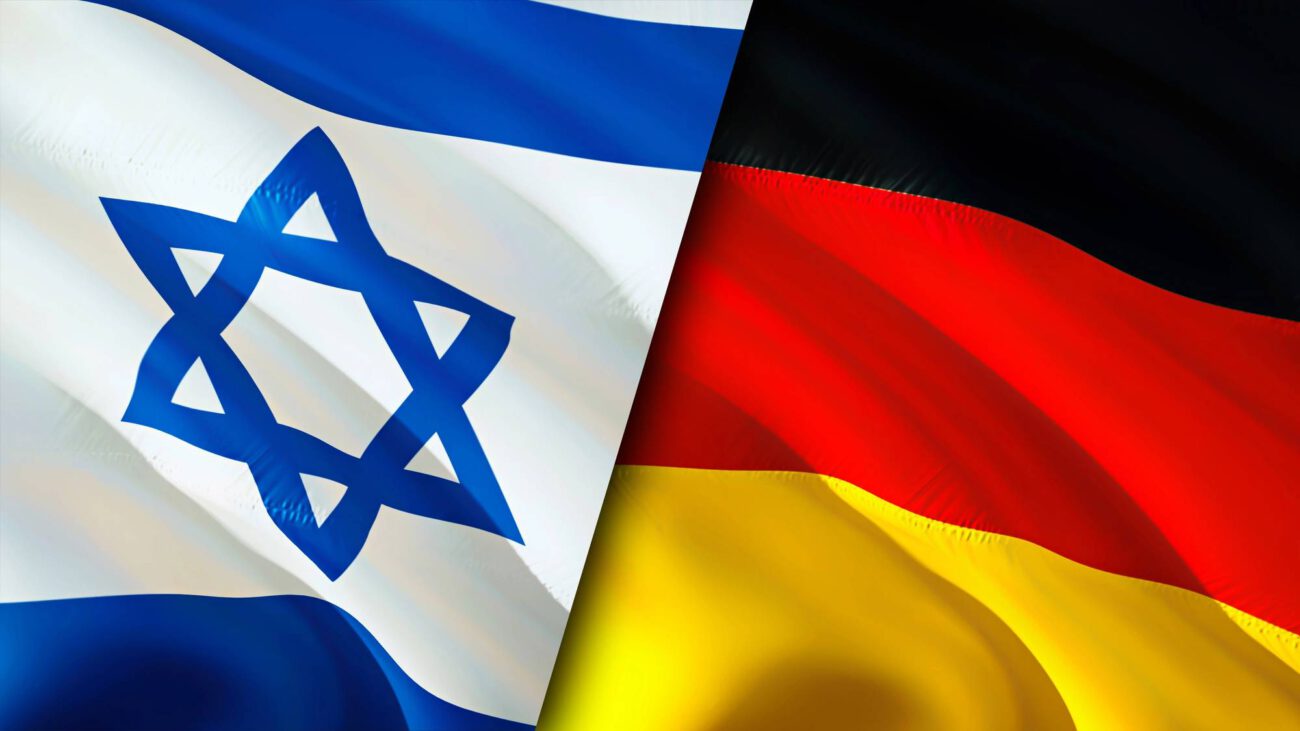
Economic cooperation between Germany and Israel has expanded significantly over recent decades, driven by shared interests in technology, innovation, and industrial development. Alongside these opportunities, the success of business collaboration depends not only on technological alignment or market conditions, but also on cultural understanding. Differences in business culture, communication styles, and decision-making processes often influence partnerships just as strongly as regulatory frameworks or economic considerations.
Understanding these differences is a key element in building sustainable cooperation. When approached with awareness and mutual respect, cultural diversity becomes a source of strength rather than friction.
Structure, planning, and predictability
German business culture places a strong emphasis on structure, planning, and predictability. Decisions are typically made following thorough analysis, detailed documentation, and internal alignment. Transparent processes, well-defined responsibilities, and long-term planning are essential for reliability and quality. Meetings are usually well prepared, agendas are followed closely, and commitments are expected to be met precisely.
Israeli business culture, by contrast, is shaped by a more dynamic and flexible approach. Israeli companies are accustomed to operating in fast-paced environments and often prioritize speed, adaptability, and problem-solving over formal structure. Decisions may be made quickly, sometimes with incomplete information, and processes often evolve as projects progress.
For German partners, this flexibility can be seen as agility and creativity, but also as a lack of planning if not clearly communicated. For Israeli partners, German thoroughness may appear slow or overly cautious, yet it reflects a strong commitment to risk reduction and long-term stability. Understanding the motivations behind each approach helps align expectations from the outset.
Communication styles and hierarchy
Communication in German business settings tends to be direct, precise, and fact-based. Clarity is valued over diplomacy, and professional criticism is usually expressed openly and without personal intent. Organizational hierarchies are respected, roles are clearly defined, and decision-making authority generally follows formal structures.
Israeli communication is also direct, but typically less formal and more expressive. Organizational hierarchies are flatter, and it is common for junior employees to challenge ideas or engage directly with senior management. Conversations may be lively and can move quickly between topics.
In cross-cultural settings, these differences can lead to misunderstandings. German counterparts may interpret Israeli informality as a lack of respect for structure, while Israelis may perceive German formality as distant or rigid. Establishing clear communication norms early in the relationship helps prevent friction and supports productive dialogue.
Time management and deadlines
Punctuality and adherence to deadlines are fundamental elements of German business culture. Meetings start on time, project milestones are defined in advance, and delays are generally avoided or formally addressed. Reliability in meeting agreed-upon timelines is associated with professional credibility.
In Israel, timelines tend to be more flexible, particularly in innovation-driven environments where rapid iteration is common. Deadlines are often viewed as targets rather than fixed commitments and may be adjusted in response to new information or shifting priorities.
In joint projects, aligning expectations around timelines and deliverables is critical. German partners value transparency and early notification of potential delays, while Israeli partners benefit from understanding the importance Germans place on precise planning. Mutual transparency reduces frustration and fosters smoother project execution.
Risk perception and decision-making
German companies typically approach risk with caution, conducting detailed assessments before committing resources. This reflects a broader cultural preference for stability, compliance, and long-term sustainability. Pilot projects and phased implementation are often used to validate new technologies before scaling.
Israeli companies are generally more comfortable with calculated risk and experimentation. The Israeli innovation ecosystem encourages rapid testing of ideas, learning from failure, and continuous adaptation. This mindset supports innovation, but may contrast with German expectations of certainty and prior validation.
Successful collaboration often combines these approaches. Israeli companies contribute speed and creative problem-solving, while German partners provide rigorous evaluation and structured scaling. When aligned effectively, this balance supports both innovation and reliability.
Trust, relationships, and a long-term perspective
In Germany, trust is built gradually through consistency, performance, and adherence to agreements. Personal relationships are important, but professional reliability forms the foundation of long-term partnerships. Once trust is established, relationships tend to be stable and enduring.
In Israel, trust is often established more quickly and is closely linked to personal interaction, openness, and shared problem-solving. Business relationships may develop rapidly, but they also require ongoing engagement and responsiveness.
Understanding these different paths to trust helps manage expectations. Germans often value patience and continuity, while Israelis emphasize accessibility and responsiveness. Respecting both approaches strengthens cooperation over time.
Practical considerations for cross-border cooperation
For German organizations working with Israeli partners, clearly defining scope, timelines, and responsibilities is essential. Detailed documentation, transparent expectations, and structured feedback support alignment and efficiency. At the same time, openness to flexibility and iterative development can unlock innovation.
For Israeli companies engaging with German counterparts, preparation and precision are critical. Demonstrating familiarity with regulatory requirements, presenting well-structured proposals and respecting formal processes help build credibility. Patience with decision-making processes is often rewarded with long-term commitment.
Both sides benefit from investing time in understanding each other’s business environments, legal frameworks, and cultural norms. Regular communication, transparent expectations, and mutual respect form the basis of successful cooperation.
Building bridges through understanding
As economic ties between Germany and Israel continue to deepen, cultural awareness becomes a strategic asset. Differences in business culture should not be viewed as obstacles, but as complementary strengths. German structure and reliability, combined with Israeli agility and innovation, create a strong foundation for collaboration.
By acknowledging differences, adapting communication styles, and aligning expectations, German and Israeli partners can build trust, reduce friction, and establish sustainable business relationships. In an increasingly interconnected global economy, cultural understanding is not merely a soft skill, but a critical factor for long-term success.