In April 2023, the International Maritime Organization (IMO) adopted a revised strategy to reduce greenhouse gas emissions from shipping, setting more ambitious targets for the decades ahead. For an industry responsible for nearly 3% of global emissions, the message was clear: The era of carbon-intensive shipping is coming to an end.
A shift is underway all across the maritime sector. Shipowners, ports, technology providers, and regulators are all working toward a shared goal: reducing the environmental impact of global shipping while maintaining the efficiency of international trade.
A Sector Under Pressure
Shipping has long been one of the most efficient modes of transport per ton of cargo, yet its overall environmental footprint remains significant due to the sheer scale of global trade.
Regulatory pressure is increasing. In addition to the IMO’s targets, regional initiatives such as the EU’s inclusion of shipping in its Emissions Trading System are accelerating the push toward decarbonization. Financial institutions and cargo owners are also demanding greater transparency and lower emissions across supply chains.
As a result, decarbonization is no longer optional, but is becoming a central factor in competitiveness and long-term viability.
The Promise and Complexity of Alternative Fuels
One of the most widely discussed pathways to decarbonization is the transition to alternative fuels. Options such as liquefied natural gas (LNG), methanol, ammonia and hydrogen are all being explored as potential replacements for traditional marine fuels.
Each option presents advantages and challenges. LNG can reduce certain emissions but is still a fossil fuel; methanol is gaining traction due to its relative ease of handling and growing infrastructure; ammonia and hydrogen offer the potential for near-zero emissions, but face significant technical, safety, and scalability challenges.
At present, there is no single dominant solution. The industry is likely to adopt a mix of fuels, depending on vessel type, trade routes, and regulatory developments.
Energy Efficiency and Digital Optimization
While alternative fuels are critical for long-term decarbonization, immediate gains are already being achieved through improved energy efficiency.
Advanced digital systems are enabling ship operators to optimize routes, reduce fuel consumption and minimize idle time. To that end, AI-driven analytics can assess weather conditions, sea currents, and traffic patterns to identify the most efficient voyage strategies.
Technologies such as hull optimization, air lubrication systems, and wind-assisted propulsion are also contributing to incremental efficiency improvements. Although each innovation may offer modest gains, their combined impact can be significant.
Ports as Enablers of Green Shipping
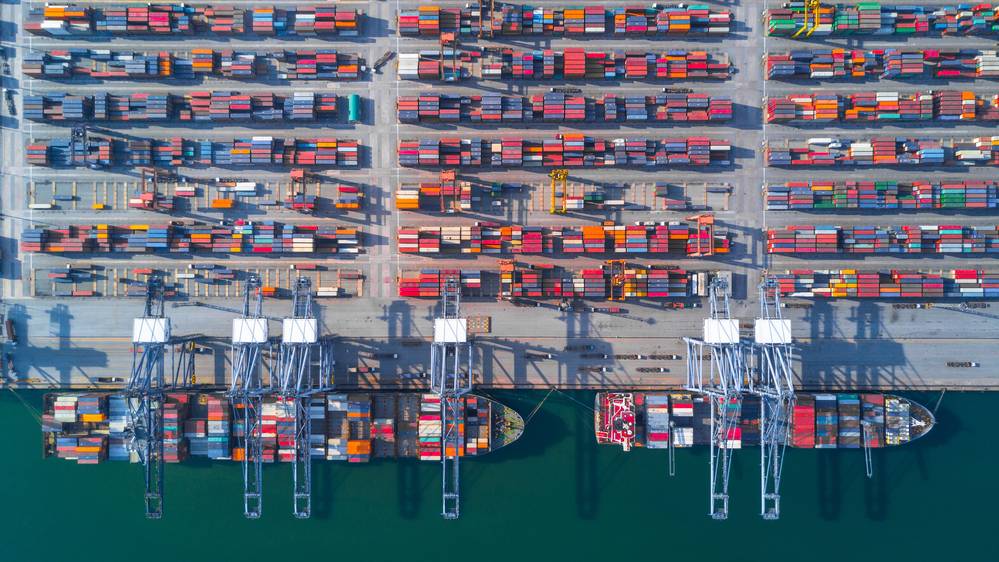
Ports play a crucial role in the transition toward greener shipping. Shore power systems, for example, allow vessels to switch off their engines while docked, reducing emissions in port areas.
In addition, ports are investing in infrastructure to support alternative fuels, including bunkering facilities for LNG, methanol and, in the future, hydrogen and ammonia. Smart port technologies further enhance efficiency, reducing congestion and turnaround times.
As part of the broader maritime ecosystem, ports are becoming key enablers of decarbonization efforts.
Israel’s Role in Maritime Sustainability
Within the global push toward greener shipping, Israel is contributing through innovation in energy efficiency and digital optimization.
Companies such as Orca AI are improving vessel efficiency by enhancing navigation and reducing fuel consumption through advanced AI-based decision support systems. Captain’s Eye is also contributing to safer and more efficient navigation through computer vision technologies.
In parallel, Israel’s broader climate tech ecosystem is developing solutions in energy optimization, data analytics and system efficiency, many of which can be adapted to maritime applications.
Israel’s strengths in AI, sensors and system integration position it as a relevant contributor to the transition toward more sustainable shipping.
Challenges on the Road to Net Zero
Despite strong momentum, the path to maritime decarbonization is complex. The lack of a universally accepted fuel standard creates uncertainty for shipowners making long-term investment decisions.
Infrastructure gaps remain a major barrier, particularly for emerging fuels such as hydrogen and ammonia. In addition, the high cost of new technologies and vessels can slow adoption.
Global coordination is another challenge. Shipping is an inherently international industry, and aligning regulations, standards, and investments across regions requires significant cooperation.
What the Future Holds
The transition to green shipping will take time, but it is clearly underway. Over the coming decades, a combination of regulatory pressure, technological innovation, and market demand will drive the industry toward lower emissions.
Rather than a single breakthrough, decarbonization will likely result from the cumulative impact of multiple solutions, from alternative fuels and digital optimization to operational changes and new business models.
For companies across the maritime value chain, the shift toward sustainability represents both a challenge and an opportunity. Those that adapt early will be better positioned in a rapidly evolving global market.