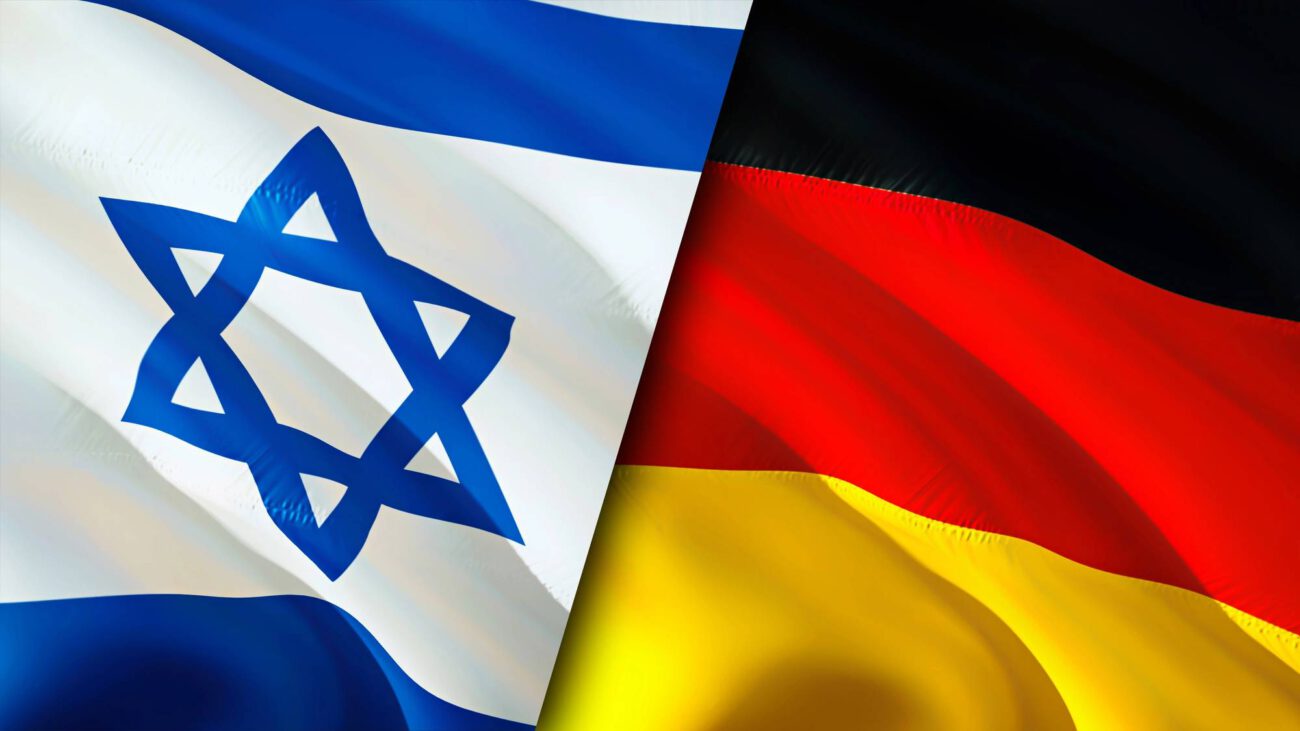
How Germany’s manufacturing sector is accelerating digital transformation, and how Israeli solutions complement the transition toward smarter, more efficient, and resilient factories
Germany is widely recognized as one of the world’s leading manufacturing economies, with a strong industrial base spanning automotive, machinery, chemicals, advanced materials, and heavy industry. Over the past decade, Industry 4.0 has become a central pillar of German industrial strategy, aiming to integrate digital technologies, automation, and advanced data analytics into production environments. Despite substantial investments, the full implementation of smart manufacturing remains a challenge for many companies.
One of the key obstacles lies in integrating legacy production systems with new digital layers. German factories are known for their precision engineering and operational efficiency, yet many still struggle with fragmented data environments, limited real-time visibility, and insufficient predictive capabilities. As global competition intensifies and cost pressures increase, manufacturers are seeking solutions that enable operational upgrades without disrupting existing production stability.
This is where the Israeli innovation ecosystem offers complementary value. Israeli companies have developed advanced technologies in areas such as industrial AI, predictive maintenance, machine vision, digital twins, and real-time analytics. Many of these solutions are designed to operate in heterogeneous environments and to be deployed incrementally, making them well-suited to the structure of German industrial facilities.
Israeli technology providers typically focus on practical, fast-to-deploy solutions that address specific industrial challenges, including reducing downtime, improving quality control, optimizing energy consumption, and increasing productivity. For German manufacturers, collaboration with Israeli companies enables rapid experimentation, shorter implementation cycles, and access to deep expertise in data-driven optimization.
As Industry 4.0 moves from strategic vision to operational reality, partnerships between German industry and Israeli technology firms are becoming an essential enabler of digital transformation, combining German engineering excellence with agile technological innovation.