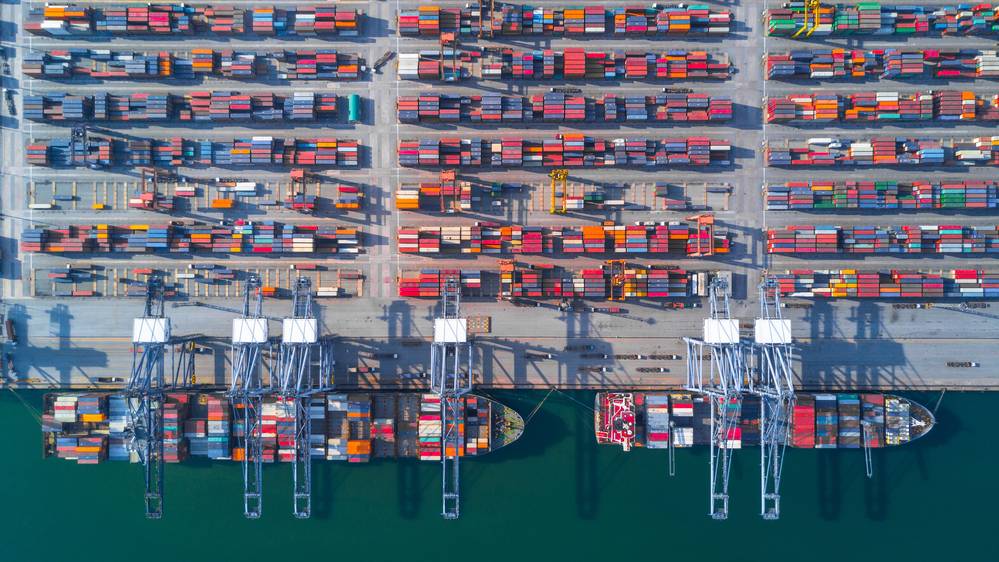
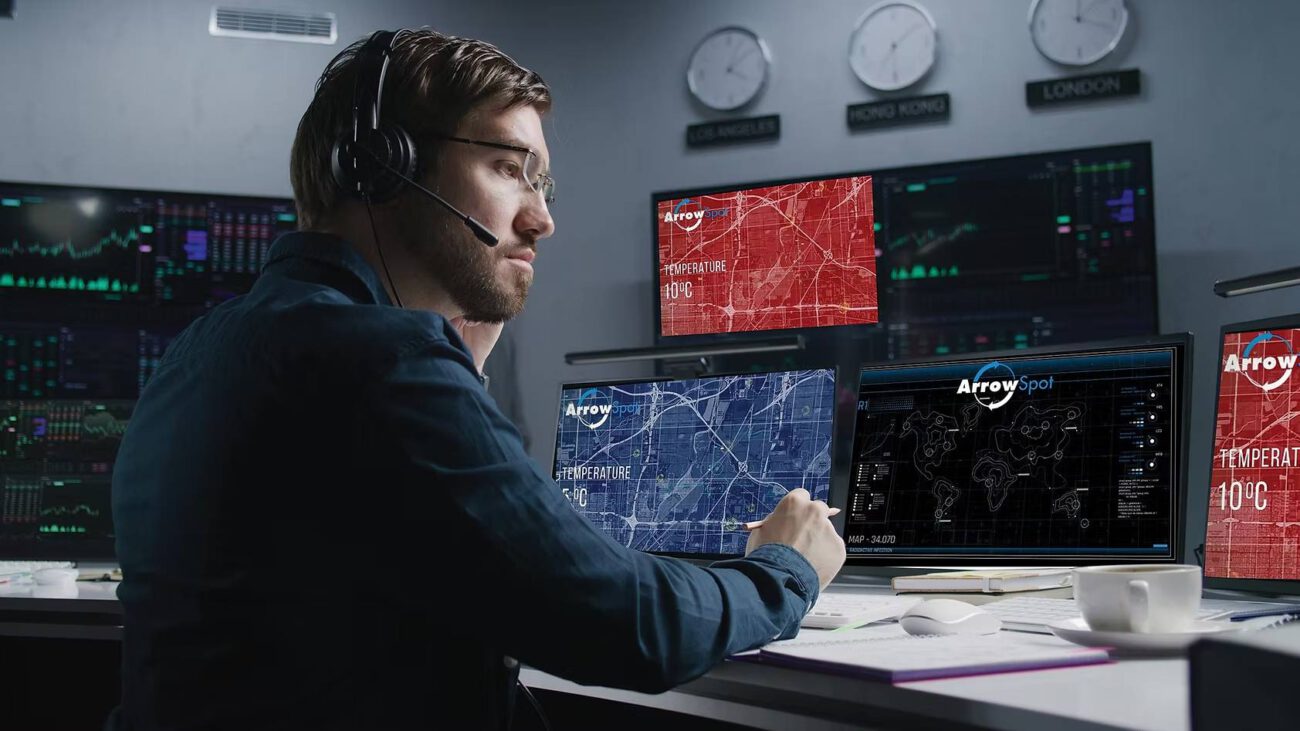
At major ports around the world, the traditional image of cranes, containers, and manual coordination is rapidly being replaced by something far more sophisticated. Sensors track cargo in real time, automated cranes move containers with minimal human intervention, and control rooms manage entire port operations through data-driven systems.
Ports, once seen primarily as physical infrastructure, are evolving into digital ecosystems. As global trade grows more complex and time-sensitive, ports are under increasing pressure to become faster, more efficient, and more resilient. The answer lies in digital transformation.
From Infrastructure to Intelligent Ecosystems
Ports are no longer just transit points for goods. They are becoming highly interconnected environments where multiple systems, stakeholders, and data flows converge.
Modern ports integrate operational technologies with digital platforms that manage vessel traffic, cargo handling, logistics, and customs processes. This shift is driven by the need to handle increasing cargo volumes while reducing delays, costs, and environmental impact.
Leading ports such as Rotterdam, Singapore and Hamburg are already implementing advanced digital platforms that allow real-time coordination between ships, terminals, and hinterland logistics. These systems improve visibility across the entire supply chain and enable faster, more informed decision-making.
The Rise of Automation at Scale
Automation is one of the most visible aspects of smart ports. Automated guided vehicles transport containers across terminals, while robotic cranes handle loading and unloading operations with high precision.
In some of the world’s most advanced terminals, such as those in Singapore and China, entire sections of port operations are conducted with minimal human involvement. This not only increases efficiency but also improves safety by reducing human exposure to hazardous environments.
However, full automation is not always the immediate goal. Many ports are adopting hybrid models, combining human expertise with automated systems to gradually improve performance and reliability.
Outsmarting the Bottleneck
Data is at the core of smart port operations. Sensors, IoT devices, and digital platforms generate vast amounts of data, which can be analyzed to optimize operations in real time.
Artificial intelligence is increasingly used to predict congestion, optimize berth allocation, and improve cargo flow. Predictive analytics can identify potential bottlenecks before they occur, allowing port operators to take proactive measures.
Digital twins, virtual models of port environments, are also gaining traction. These models allow operators to simulate scenarios, test strategies, and improve planning without disrupting real-world operations.
Driven by Sustainability
Environmental considerations are playing a growing role in port transformation. Ports are under pressure to reduce emissions, improve energy efficiency, and comply with increasingly strict environmental regulations.
Smart technologies support these goals by optimizing vessel arrival times, reducing idle time, and enabling more efficient use of resources. Electrification of port equipment and the integration of renewable energy sources are also becoming more common.
As part of broader decarbonization efforts in the maritime sector, ports are positioning themselves as key enablers of greener shipping.
Smart Port Innovation, Israel-Style
Within this global transformation, Israel is emerging as a source of innovative solutions for smart port environments, leveraging its strengths in data analytics, AI and cybersecurity.
Companies such as WAVE BL are digitizing documentation processes, replacing paper-based bills of lading with secure digital solutions that streamline global trade.
In parallel, companies like Orca AI are improving maritime operations through AI-based navigation and decision-support systems, while Windward provides advanced maritime data analytics that enhance visibility and operational efficiency across global shipping networks.
Cybersecurity firms such as Cydome add a critical protection layer to increasingly connected port and vessel systems, addressing the growing risks associated with digitalization.
Israel’s broader innovation ecosystem, particularly in AI, IoT and data analytics, positions it well to contribute to the next generation of smart port technologies.
Covering all Bases with Cybersecurity Expertise
As ports become more connected, cybersecurity is shaping up to be an essential component of smart port infrastructure. Digitalization increases efficiency, but also exposes systems to potential cyber threats.
Port operators must secure both IT and operational systems, ensuring that critical functions such as cargo handling and traffic management remain protected. This requires a comprehensive approach that combines technology, processes, and training.
Braving the Waves to Implementation
Despite the benefits, the transition to smart ports is not without challenges. High investment costs, integration with legacy systems, and the need for workforce training can slow adoption.
In addition, ports must coordinate across multiple stakeholders, including government authorities, private operators, and logistics companies. Achieving interoperability between systems remains a key challenge.
Storming the Seas Ahead
The evolution toward smart ports is expected to accelerate in the coming years, driven by growing trade volumes, technological advances, and sustainability requirements.
Ports that successfully embrace digital transformation will gain a significant competitive advantage, improving efficiency, resilience and service quality. Those that lag behind risk becoming bottlenecks in an increasingly fast-moving global supply chain.