Photos:
Brings employees to the workplace in the most efficient way. Ryde’s System
Photos: Ryde
In almost every big city on the globe, traffic jams are a known problem and this problem is especially painful for employers.
“Many companies choose to operate a system of transportation for the employees, but it is very difficult to build such a system efficiently and intelligently,” says Eitan Ben Meir, CEO of Ryde. “For example, in factories, hospitals and many other businesses, employees work in shifts. In many high-tech companies, employees work from the office only part of the week, and want flexibility in working hours. So there are challenges in planning travel routes, the financial waste is high, and the employees do not receive a satisfactory level of service.”
Ryde, which operates since 2008 and is one of the pioneers of the smart travel/ transportation companies in the world, has developed a solution that brings employees to the workplace in the most efficient way: taking into account travel comfort, distance from home to the pickup station and waiting time, and for the employer covering costs, employee satisfaction and reducing polluting emissions.
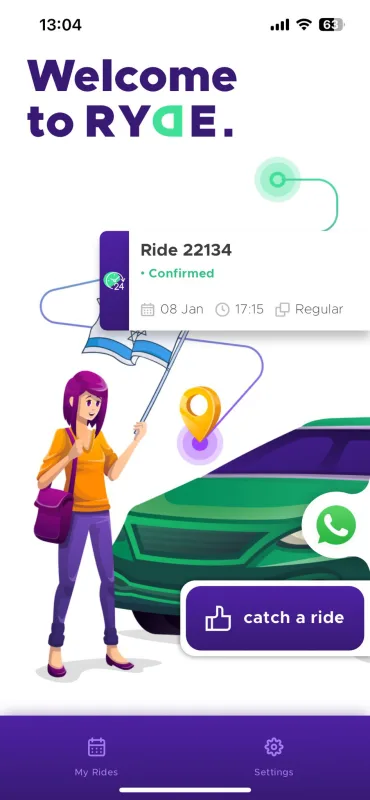
How does it work? According to Ben Meir, “Our system receives employees bookings’ – whether they come from the organization’s shift system, from Ryde’s passenger application or in other ways – and produces optimal travel routes for the organization, according to predefined parameters that reflect the organization’s policy. Ryde’s solution is particularly dynamic, and knows how to build an optimal travel plan that is updated constantly to each new booking – in accordance to the needs of the organization and the individual requirements of the employees.”
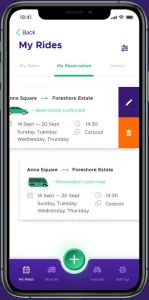
Ryde’s system knows how to weigh many dozens of elements, according to the employers’ requirements – whether it is the distance to the station from the employee’s home, the maximum waiting time until transportation arrives, the maximum duration of the route, the number of employees in each vehicle and the type of vehicle, restrictions on the type of travel, emphasis on safe travel for workers and more. After the system produces the routes, they are sent to the transportation providers, while monitoring every aspect of the implementation process.
The company already has more than 200 clients, including McDonald’s, Wix, ICL, Nvidia, Teva Pharmaceutical, Intel, Philips, the defense industries in Israel, major hospitals, airlines and ground services and more.
“There are many solutions to traffic congestion – for example, building roads and railroads, developing more efficient public transportation and more,” concludes Ben Meir. “However, these are long-term solutions. We use the existing infrastructure, and offer a solution that can be implemented in the organization within a month or two – resulting in average savings of 20%-30% of their transportation costs, a significant amount. Add to this the benefit to the environment.”
For more Information: goryde.com