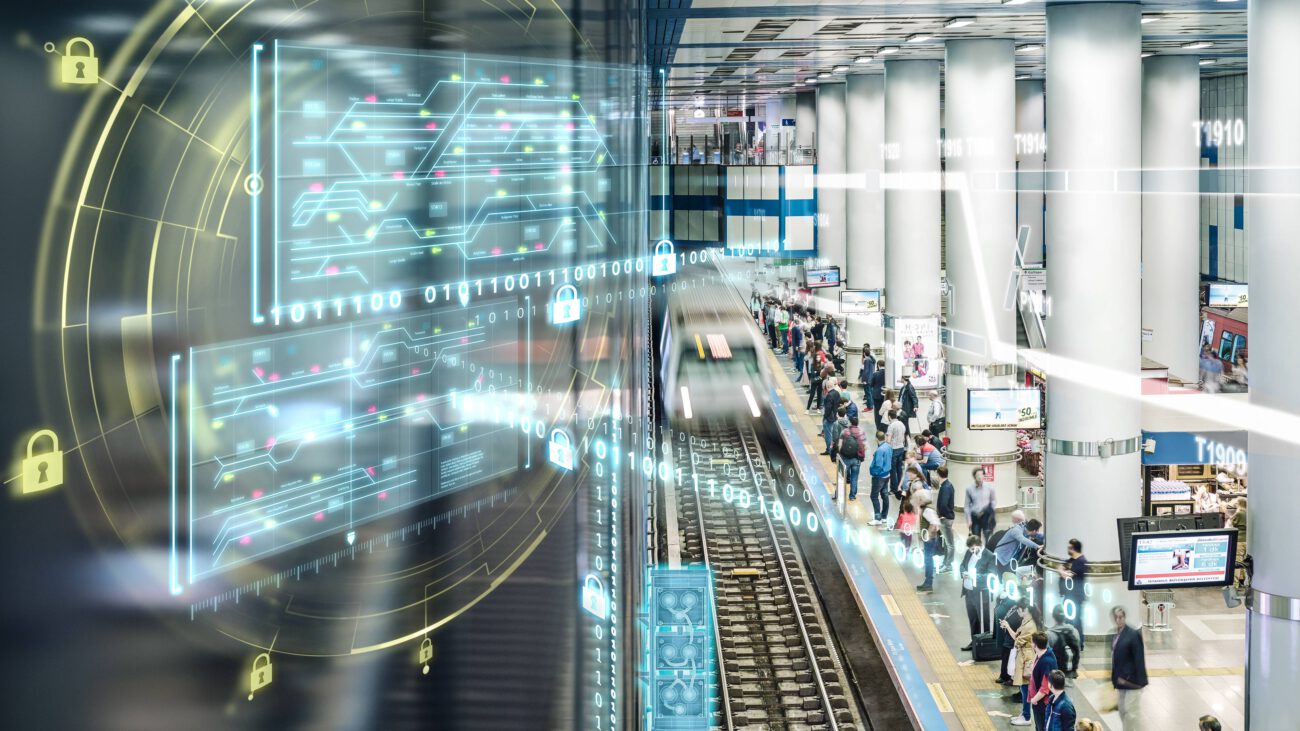
Siemens Mobility. Innovative rail solutions combining data collection, analytics and operational optimization. Photo: Courtesy of Siemens
By: Anat Messing
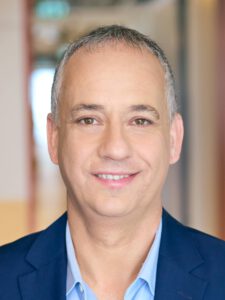
Zahi Golan,
CEO of Siemens Israel
Photo: Yariv Elisha, Q Elite Beauty
For 25 years, a strong and fruitful synergy has existed between Siemens Israel and the company’s headquarters in Germany, the American branch, and additional branches around the world. This bond drives the company forward and enables it to maintain its position as a global leader in industry, infrastructure, transportation, and software.
Siemens was founded in 1847 by inventor Ernst Werner von Siemens, who developed a needle for the telegraph that enabled information to be received as letters rather than Morse code. One of Werner’s most significant achievements in his lifetime was the laying of a telegraph cable network from India to Europe, an impressive achievement by all accounts. The company has come a long way since, and today it employs approximately 300,000 people operating in around 190 countries and repeatedly pushing the boundaries of technology.
Siemens’ activity in Israel began in 1924 as a sales office framework. Siemens Israel was established as an independent company in 2000 and today numbers more than 800 employees in Israel. “The company touches all worlds,” says Zahi Golan, CEO of Siemens Israel, “industry, infrastructure such as electricity and water, transportation with an emphasis on railways, medical equipment, and more”.
Siemens Israel has a prominent industrial software development and product lifecycle management (PLM) division. This division is based on the veteran company Tecnomatix, which was acquired in 2005 by the American company UGS, and in 2007 by Siemens, and is managed by Zvi Feuer, SVP and General Manager Digital Manufacturing (DM), CEO of Siemens Digital Industries Software Israel. “We have more than 400 employees in Israel and about 2,000 worldwide,” he says.
We built an Israeli-German ecosystem
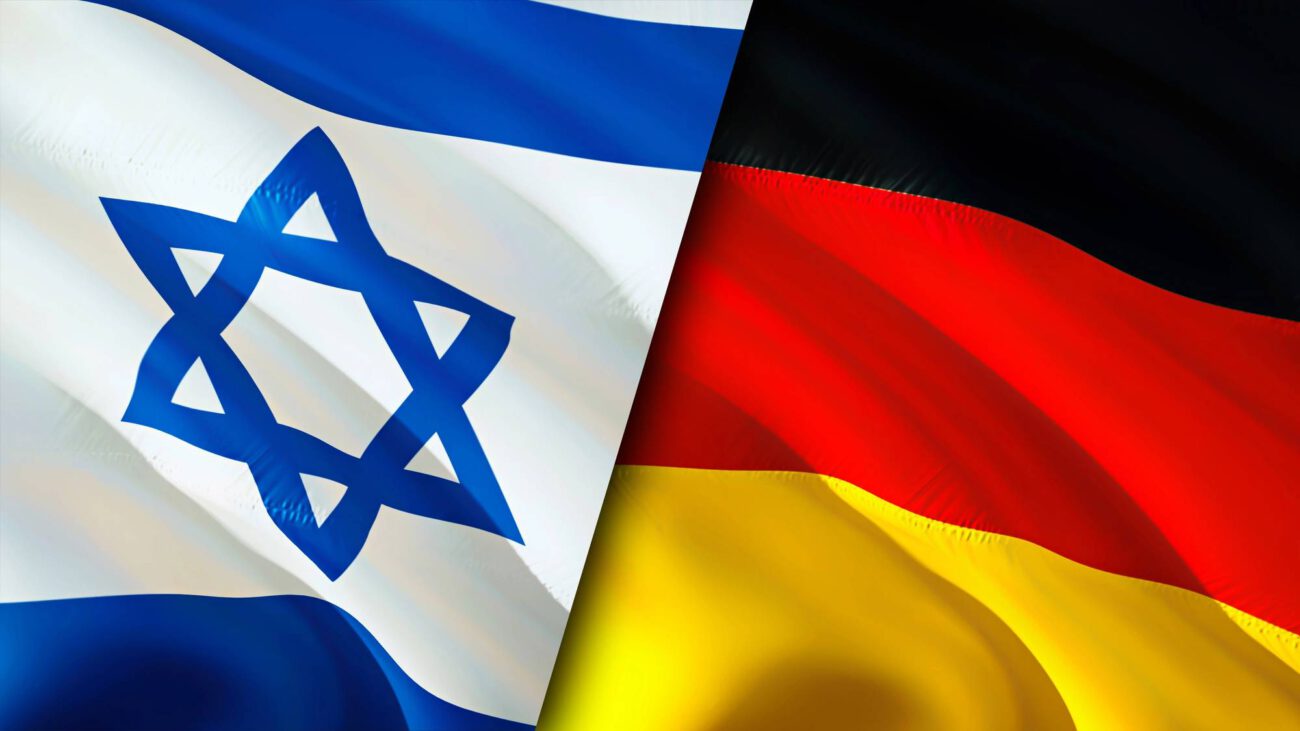
Siemens is a tangible example of the warm business relationship between Germany and Israel, and within this framework, the company maintains ongoing relations with the German Embassy and the Israel-Germany Chamber of Commerce.
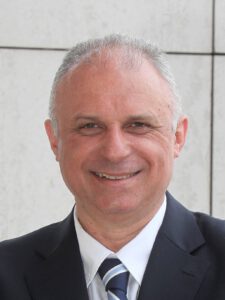
Zvi Feuer,
SVP and General Manager Digital Manufacturing (DM),
CEO of Siemens Digital Industries Software Israel
Photo: Courtesy of Siemens Israel
How does the successful cooperation between you and the headquarters in Germany manifest?
“Over the years, we have built an Israeli-German ecosystem with mutual benefit for both countries that provides support to industry worldwide. For example, we developed a series of solutions in the field of digitalization of manufacturing systems and implemented them in German industry, as part of a program to improve the company’s competitiveness vis-à-vis China”.
“The headquarters in Germany opens doors for us. We enjoy a vast range of proven technological capabilities, experience in developing solutions for a wide range of verticals, and connections to many customers worldwide. In return, the global company benefits from a connection to the local ecosystem, including exposure to Israeli startups and access to the most advanced technological innovation in the world,” adds Golan. “The local ecosystem has a unique character in terms of cooperation between the business, governmental, and academic sectors, and the headquarters in Germany knows how to appreciate this and benefit from the advantages that such a model yields”.
Who are Siemens’ customers in Israel?
“The Israel Electric Comapany and Noga are good examples,” notes Golan. “The companies purchase equipment and software from Siemens for infrastructure operation, systems for managing faults, and even systems for managing the tendering process with private manufacturers”.
Tesla on rails
As part of Israel Railways’ transportation revolution, Siemens supplies it with electric trains, among the most advanced in the world. “In addition, we implemented innovative information and analytics systems based on sensors, which help Israel Railways provide excellent service to passengers, and for us, as those who maintain the trains, a means to maintain high train availability. All of this is made possible, among other things, through predictive maintenance and significant improvement in inventory management and supply chains. And now we are looking ahead to the metro project,” Golan notes proudly.
One of Siemens’ flagship projects in Israel in recent years is an environmentally friendly train depot. “We built a 9,000 square meters depot for train maintenance. We conduct maintenance optimization processes there, collect data, analyze it, and formulate future forecasts. These advanced systems have improved our efficiency by more than 20%,” he adds.
Humanoids on the production floor
Siemens Digital Industries Software offers an enormous range of capabilities, leading the company’s Industry 4.0 revolution worldwide. “We develop software and carry out digitalization of manufacturing systems, including robotics, machining, planning of complex assembly processes, and overall improvement of manufacturing systems,” says Feuer. “In practice, we develop and sell technologies that help manufacturers in 13 industries, including automotive, aviation, defense, medical, and more. We help them become more efficient, improve outputs, reduce inventories, and ultimately boost their competitive edge. During COVID, for example, we cooperated with a Pfizer subsidiary in Germany and developed an agile solution for the production of vaccine ampoules on a massive scale”.
In what way is your innovation expressed?
“We are number one in the world in the field of industrial robotics, including optimization of multiple robots working in parallel. But perhaps one of our most innovative developments is humanoids – robots with a human appearance destined to operate on the production floor and integrate into a variety of logistics and manufacturing roles alongside the human team,” Feuer boasts, adding that Siemens’ factories worldwide also benefit from the advanced capabilities of Siemens Digital Industries Software.
Recently, Chancellor Friedrich Merz visited Israel and renewed the strong commitment and friendship between the two countries. This also translates into business. “We will continue to lead the digital transformation of global and local industry and create many additional fruitful partnerships and connections,” promises Feuer, and Golan joins in: “We will continue to combine the phenomenal planning and execution capabilities of the headquarters in Germany with the creativity and innovation produced by the Israeli ecosystem. We have seen that this combination works excellently and gives rise to international success, so in Siemens’ case, 1+1 equals at least 3”.
For More Information: