Over the past two decades, drones have evolved from an experimental gadget or technological curiosity into a central instrument of modern warfare. Initially used mainly for aerial photography and limited reconnaissance, they now fulfill a wide array of missions, from real-time intelligence collection to precision strikes. This rapid development has shifted the balance between large, established militaries and smaller actors, opening a new arena of challenges and opportunities for armies and security organizations around the globe.
Usage of Drones in Recent Conflicts
Recent wars have provided a vivid and dramatic testing ground for drone capabilities. In conflicts in Eastern Europe, the Middle East, and other regions, drones have become a relatively inexpensive, flexible, and accessible tool that provide operators with significant strategic advantages.
On the intelligence front, drones enable continuous monitoring of enemy territory, the collection of high-resolution video and aerial imagery, and the identification of movements in real time. Their use has made the battlefield more transparent, complicating efforts by large forces to maintain tactical surprise.
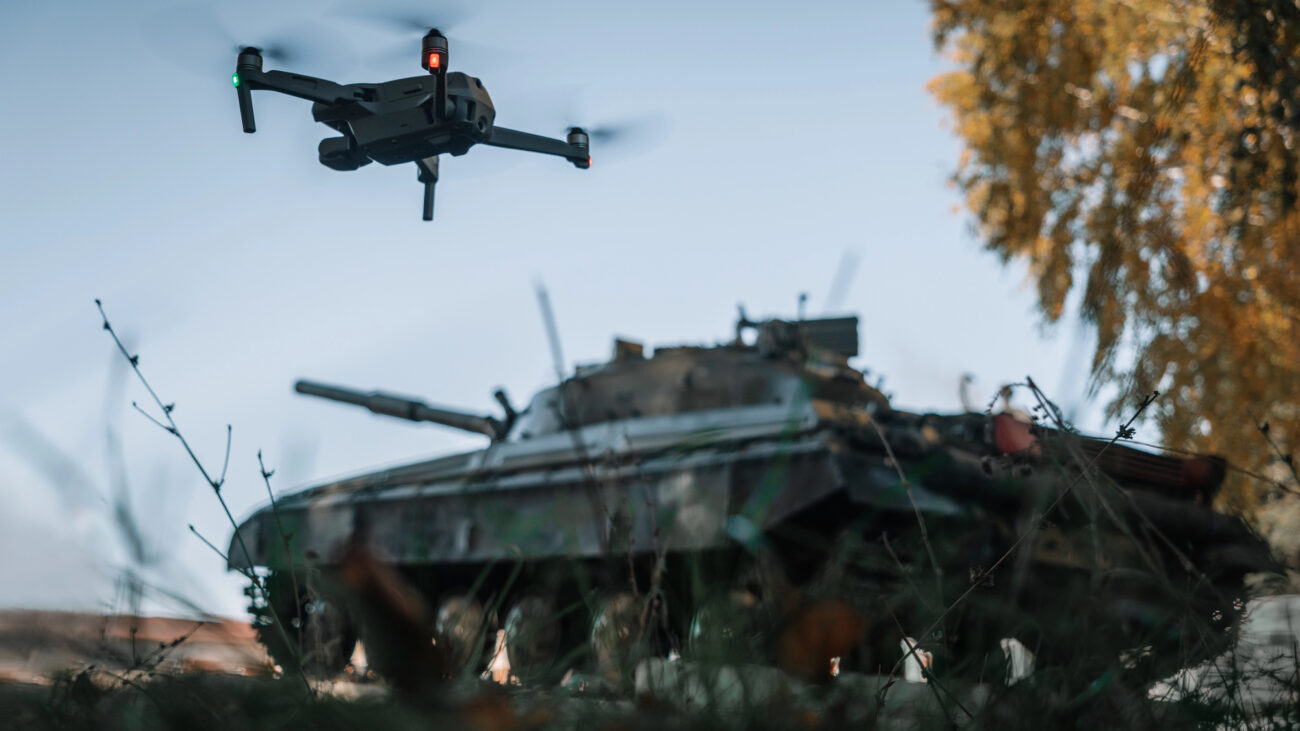
On the operational front, armed drones are capable of carrying light payloads and executing pinpoint strikes. They can disrupt enemy formations, damage vehicles and weapon systems, and cause considerable harm at a fraction of the cost of traditional weaponry. This advantage creates a new asymmetry, as even non-state actors can now acquire capabilities once reserved for advanced militaries.
The use of drones in urban combat scenarios has proven especially significant, where flexibility, the ability to penetrate dense environments, and the capacity to operate below conventional radar provide a clear advantage.
Challenges: Electronic Warfare and Counter-Drone Defenses
With growth and accessibility come new threats. The appearance of hundreds and even thousands of drones in combat zones creates an unprecedented challenge.
Electronic warfare has emerged as a critical front. Disrupting navigation systems, taking over communication channels, or even hijacking drone control are now standard tactics. Militaries are investing heavily in developing jamming systems and advanced countermeasures, but even small adversaries can deploy simple and inexpensive protective techniques.
Counter-drone defense has become a field in its own right. From dedicated radar systems to laser-based solutions and kinetic interception, the range of available tools continues to expand. Yet the question of cost looms large: how can a drone costing a few hundred dollars be intercepted by a system worth hundreds of thousands? The economic effectiveness of counter-drone systems has become an integral part of defense discourse.
Israel: A Living Laboratory for Drone Technologies
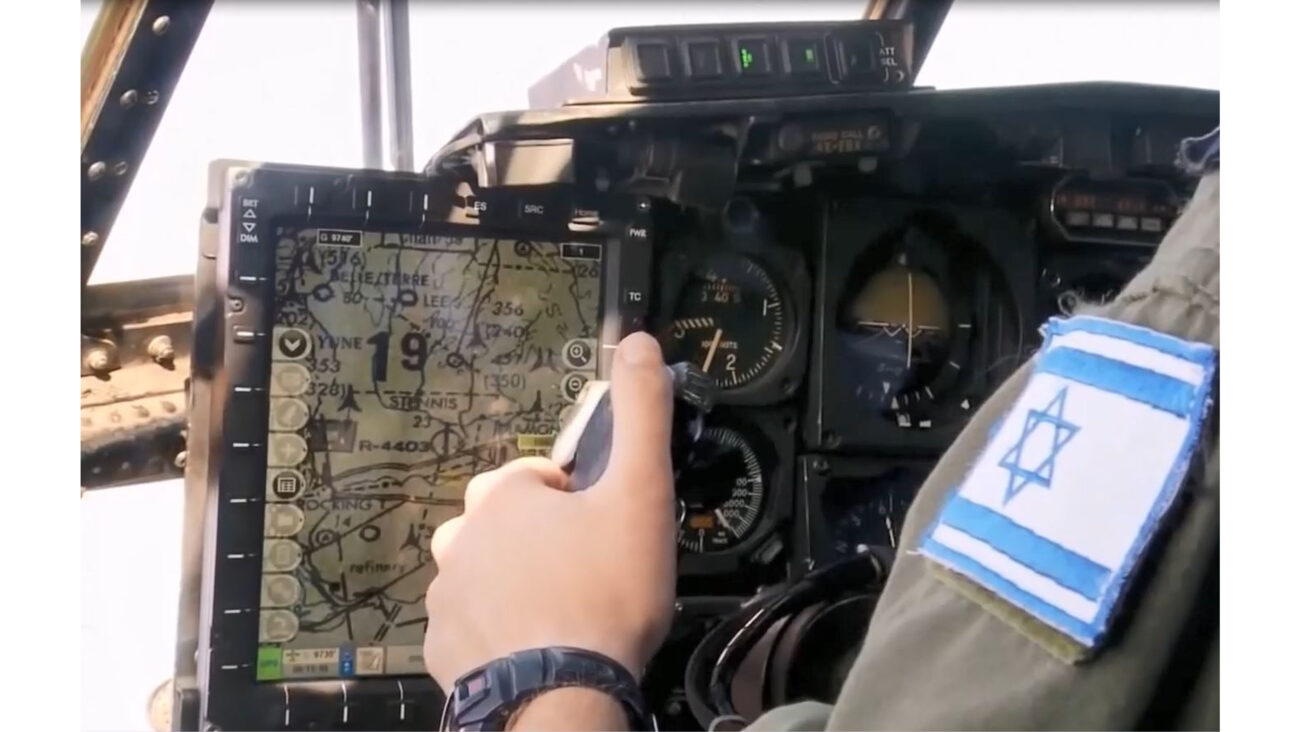
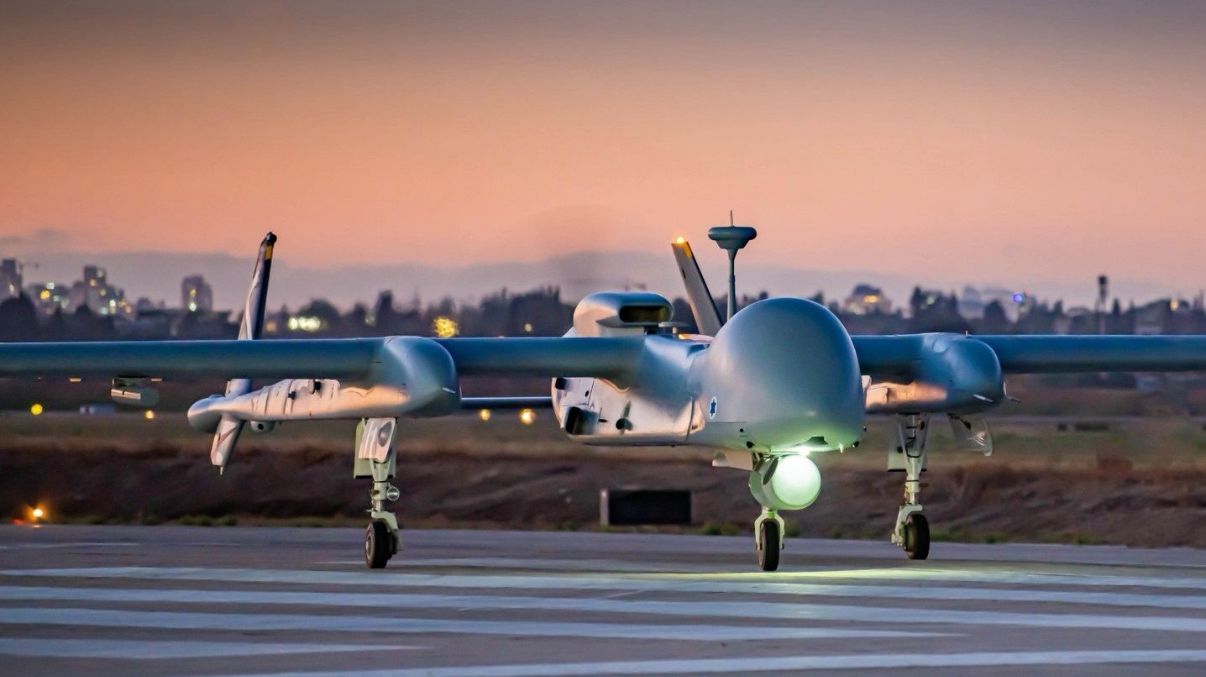
Israel was among the first countries to recognize the operational potential of drones, and over the years, it has become one of the global leaders in this domain. The Israel Defense Forces (IDF) employ drones extensively for reconnaissance, intelligence, and precision strike missions. Israel’s accumulated experience has become unique knowledge with high value internationally.
Israeli technologies in this field are diverse and span several core areas:
- Autonomous flight systems – drones that can take off, fly, and land independently, even in complex environments, without human intervention.
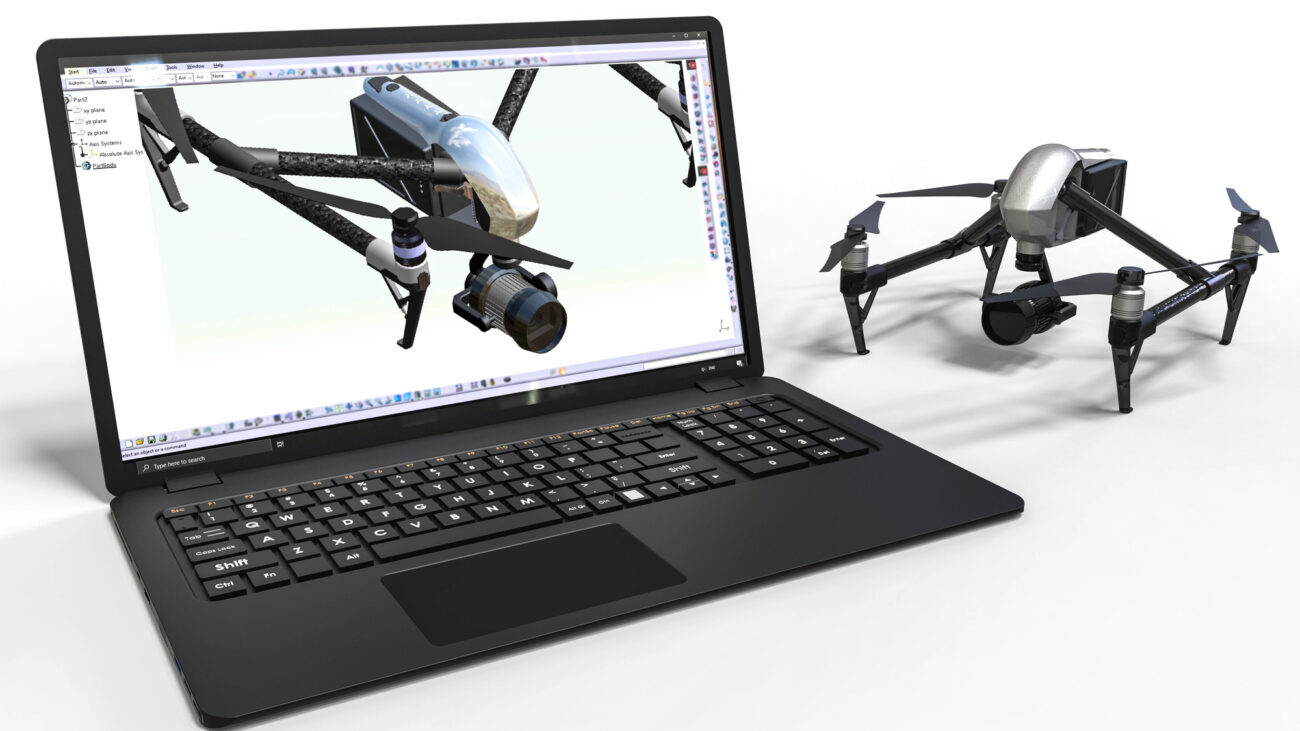
- Advanced sensors – integration of day and night cameras, infrared systems, LIDAR sensors, and hyperspectral cameras for high-resolution data collection in varied conditions.
- Artificial intelligence integration – real-time data processing, object recognition, target classification, and automated alerts to ground forces.
- Electronic warfare capabilities – systems that include built-in features to disrupt or jam enemy assets, alongside protection against hostile interference.
- Miniaturization and portable systems – micro-drones designed for indoor or dense urban operations, enhancing the effectiveness of ground troops.
- Interception and defense systems – laser technologies, precision fire solutions, and smart-networked systems for identifying and neutralizing hostile drones.
The synergy of these capabilities secures Israel a central role on the international stage, both as a provider of advanced technologies and as a live laboratory for operational solutions.
Photos: Depositphotos
Drones and Border Control
Another area where drones are expanding their impact is border security. Many countries are investing in drone systems that autonomously patrol land and maritime borders. Drones provide continuous surveillance, detection of suspicious movements, and real-time alerts to ground forces.
In these contexts, drones are not only seen as military tools but also as vital components of homeland security. They enable the coverage of vast areas at low cost while reducing risks to security personnel. The integration of smart drone systems in border control is already reshaping how states respond to infiltrations, smuggling, and transnational threats.
Looking Ahead
The future of drones on the battlefield is clear – they are here to stay and to expand. Technological advances are leading to a new generation of autonomous systems, with longer flight times, greater payload capacities, and improved integration with command and control networks. At the same time, the race to develop counter-technologies, establish regulations, and grasp the strategic implications is intensifying.
Drones have the potential to reshape not only battlefield tactics but also overall military strategy. They alter cost-benefit calculations, redefine power dynamics between large and small actors, and raise new questions of ethics, international law, and the boundaries of legitimacy in combat.
Ultimately, the drone revolution is far more than a technological shift. It represents a transformation in the perception of warfare, in the balance between innovation and defense, and in the way nations and organizations prepare for the security challenges of the 21st century.