Cybersecurity – Protecting Critical Infrastructure and Digital Industry

As digitalization expands across industry and infrastructure, Israeli cybersecurity technologies support Germany in strengthening resilience, regulatory compliance, and protection of critical systems
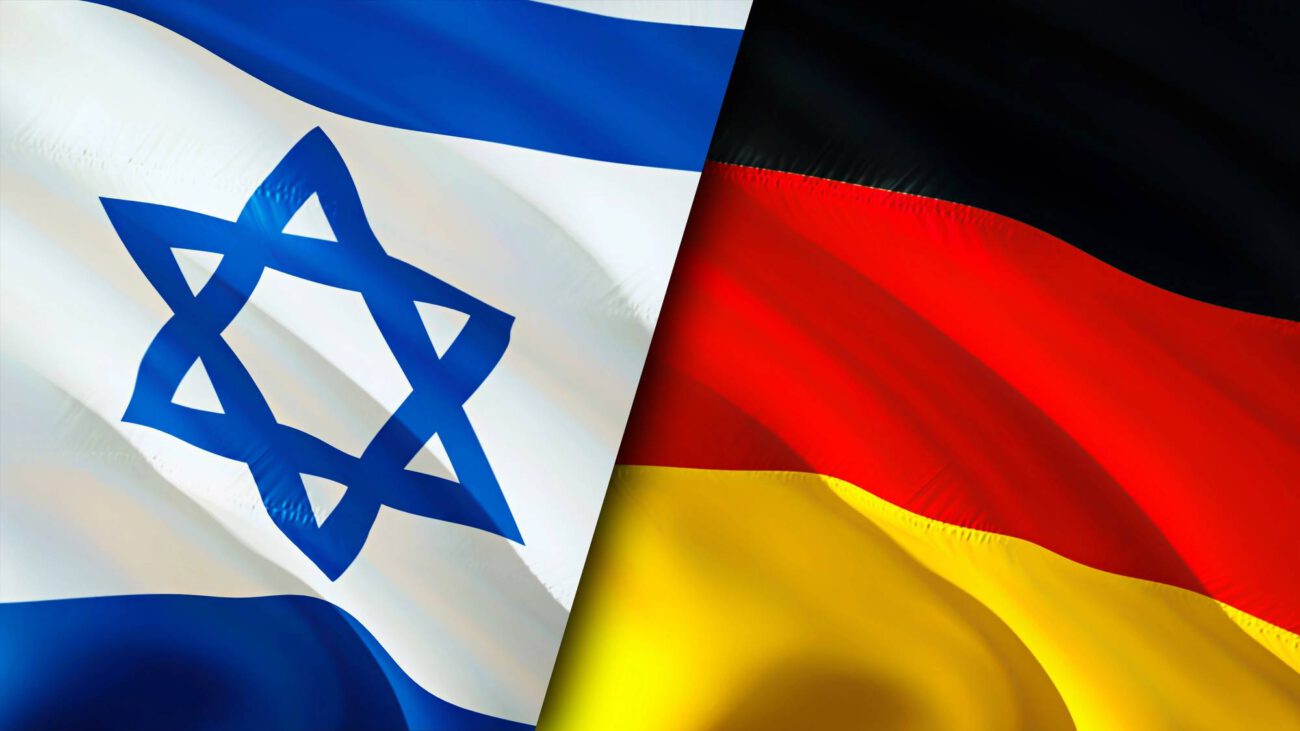
Photo: Depositphotos

Germany’s digital transformation has significantly expanded the attack surface across its economy. Industrial systems, energy networks, transportation infrastructure, healthcare services, and public-sector platforms are increasingly connected and data-driven, while simultaneously exposed to more complex cyber threats. New European regulations, most notably NIS2, impose stricter requirements for risk management, preparedness, and incident response.

Cybersecurity challenges are no longer limited to traditional IT environments. German organizations are required to protect operational technology, supply chains, and hybrid systems in which legacy and modern platforms coexist. This challenge is particularly acute in sectors such as manufacturing, energy, transportation, and healthcare, where operational disruptions can have serious economic and societal consequences.

Israel is widely regarded as a global cybersecurity hub, with extensive experience in threat detection, incident response, and the protection of critical infrastructure. Israeli companies have developed advanced solutions for continuous monitoring, risk assessment, industrial security, and the protection of complex and distributed environments.

For German organizations, Israeli cybersecurity technologies offer a combination of operational readiness and regulatory alignment. Many solutions are designed to function within integrated environments and to enhance security without compromising operational continuity. Cooperation with Israeli providers helps German companies meet regulatory requirements while strengthening their overall cyber resilience.

As Germany’s economy becomes increasingly digital and interconnected, cybersecurity has emerged as a foundational element of trust, stability, and competitiveness. Collaboration between Germany and Israel in this domain supports a secure basis for industrial growth and technological innovation.


This content might interest you as well

The Israeli startup, founded by former Coinbase and Unbound Security executives, emerged from stealth with backing from Coinbase Ventures and New York Life Ventures.
The Israeli startup, whose customers include Hertz, will expand US enterprise sales and enter new markets in Europe and Asia.
Elbit Systems Deutschland will equip four new F128 frigates built by TKMS with its Aqua Marine naval electronic warfare self-protection suite under a five-year contract.
The agreement between the Israel Space Agency and Germany's space agency at DLR coincided with Israel's first national pavilion at Space Tech Expo Europe.
The deal, reportedly valued at about $7.5 billion, will bring Decart's chip optimization software into Amazon's custom silicon unit.
India's Ministry of Defence has contracted IAI to upgrade and extend the service life of the Barak point defence missile systems on Indian Navy ships.
The Israeli company's Series B round, led by PSG with participation from Micron Technology, will fund production expansion and entry into new markets.
Israeli startup Corma has become a unicorn three months after emerging from stealth, with a Series A led by US venture firm NEA.
Israel's national water company will advise on digital monitoring, metering and control systems in a vast province bordering Russia and China.
Laguna will become Elligint's AI development arm, and the Israeli team is expected to double
The five-year contract covers PULS launchers and munitions for an unnamed European NATO member
Israel's trade with Africa moved in different directions in 2024 and 2025: exports declined overall, imports rose, and markets such as Rwanda, Uganda and Kenya showed strong growth potential.

More Categories

Related Posts

Elbit Systems Deutschland will equip four new F128 frigates built by TKMS with its Aqua Marine naval electronic warfare self-protection suite under
The agreement between the Israel Space Agency and Germany's space agency at DLR coincided with Israel's first national pavilion at Space Tech

German companies entering the Israeli market usually arrive with a clear plan, defined objectives, and high professional standards. However, Israel

Dear Readers, 2025 marked sixty years of diplomatic relations between Israel and Germany. In 1965, when our countries formally established