Ramon.Space Raises $124 Million to Scale Computing Infrastructure for Space
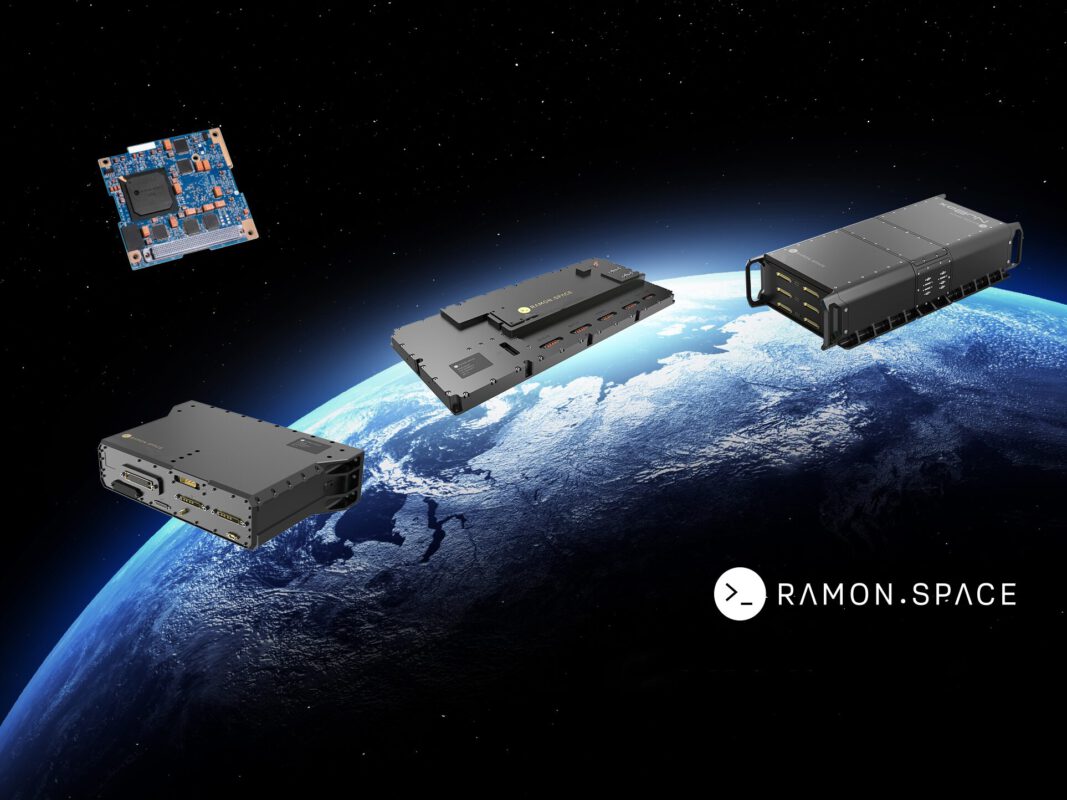
Ramon.Space onboard computing systems for satellites. Photo courtesy of Ramon.Space
Israeli space computing company Ramon.Space has closed a $124 million Series B funding round led by growth equity firm PSG. New investors include US memory chip maker Micron Technology, which made a strategic investment, as well as Senvest and Phoenix Financial. Existing investors StageOne, Deep Insight and Grove Ventures also participated. The company has raised about $180 million to date.
Ramon.Space develops computing systems that allow satellites to process, store and transmit data in orbit, rather than relying solely on sending raw data to Earth. Its systems are integrated into satellites before launch and are used in commercial and government missions, including communications and Earth observation satellites. Customers include satellite operator SES.
The company traces its origins to Ramon Chips, founded in 2004, and has focused on space computing infrastructure since 2020. It employs about 130 people, with main operations in Israel, offices in the United States and the United Kingdom, and a center being established in Germany. CEO Avi Shabtai says the workforce is expected to roughly double. The funds will be used to expand production, accelerate customer delivery, develop the next product generation and enter new markets, including orbital data centers.
“This new funding will allow us to advance to the next stage of our company’s growth and scale up significantly,” Shabtai told CTech.
Israel's trade with Africa moved in different directions in 2024 and 2025: exports declined overall, imports rose, and markets such as Rwanda, Uganda and Kenya showed strong growth potential.
Africa's need to increase food production, adapt to extreme climate conditions and improve water management meets Israeli experience developed under conditions of scarcity.
Africa has become a global laboratory for mobile financial services, now moving beyond basic payments towards credit, insurance, cross-border trade and fraud prevention.
Senior officials of Israel's Ministry of Foreign Affairs and Israel's ambassadors across Africa welcome the Israel-Africa Business Guide 2026/27 and outline opportunities for trade, investment and partnership.
From telecom software and cybersecurity to digital learning, partnerships are opening new possibilities for African businesses, institutions and technology professionals.
Join our newsletter for updates on a wide range of Israeli technologies and companies across different sectors.
Stay informed and discover potential business opportunities.