Israel has invented ways to make deserts bloom, diagnose diseases remotely and produce water out of air. Yet bringing these inventions into African markets has proved rather challenging. For African businesses and organizations, the opportunities are considerable. The real magic happens when promising technologies and local expertise come together to make them work on the ground. And the pool of technologies to draw from is remarkably deep. Israel boasts more than 9,000 tech companies, invests more of its GDP in R&D than any other country, and employs some 12% of its workforce in high-tech. Its innovations span almost every sector, with some rather unexpected breakthroughs such as nutritional supplements for bees, innovative credit analytics and technologies that turn agricultural waste into valuable resources.
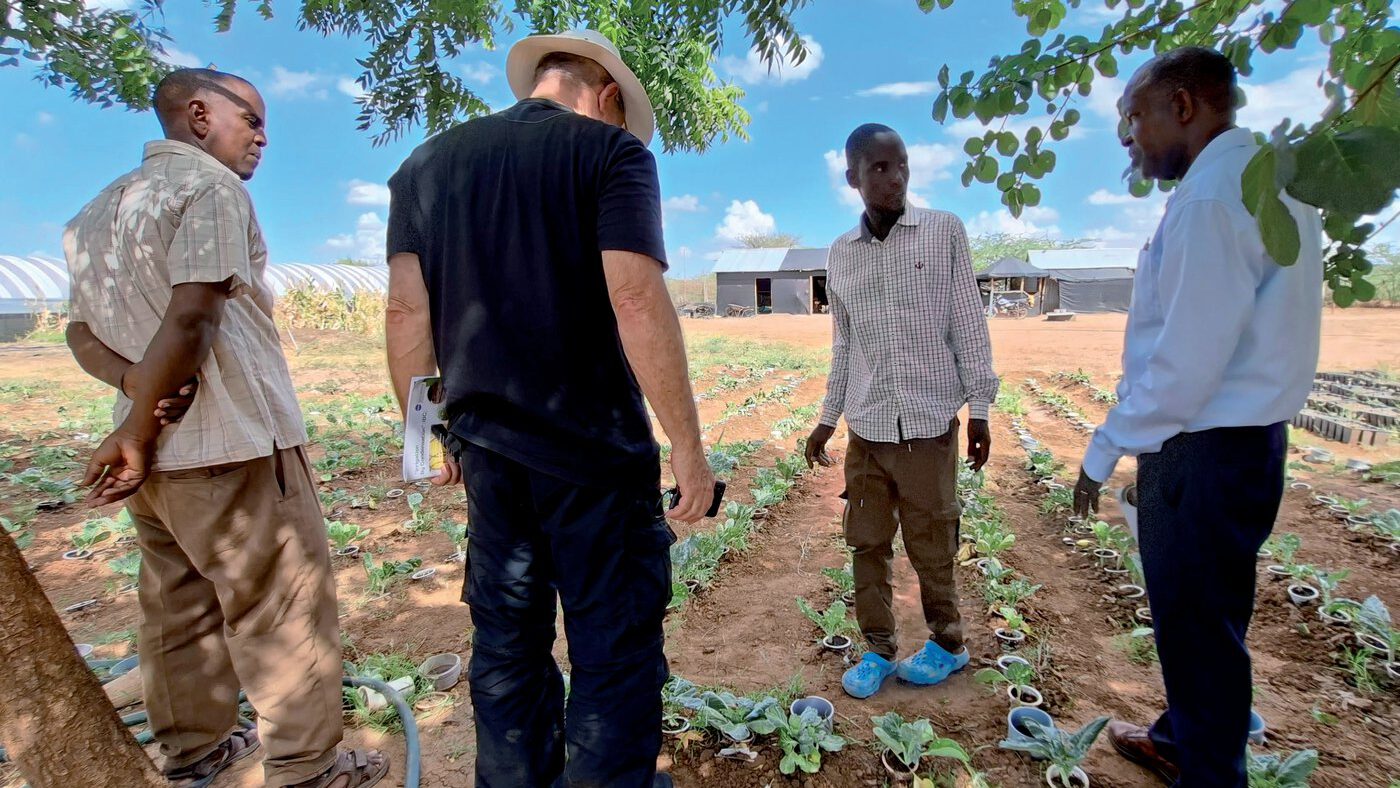
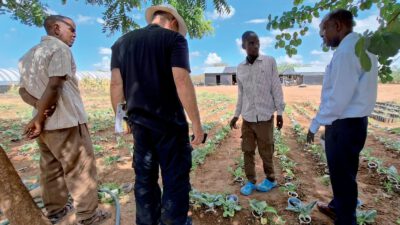
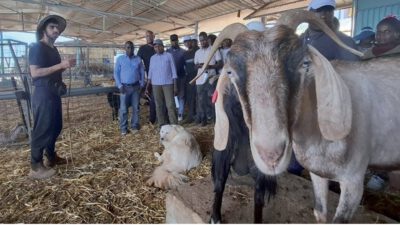
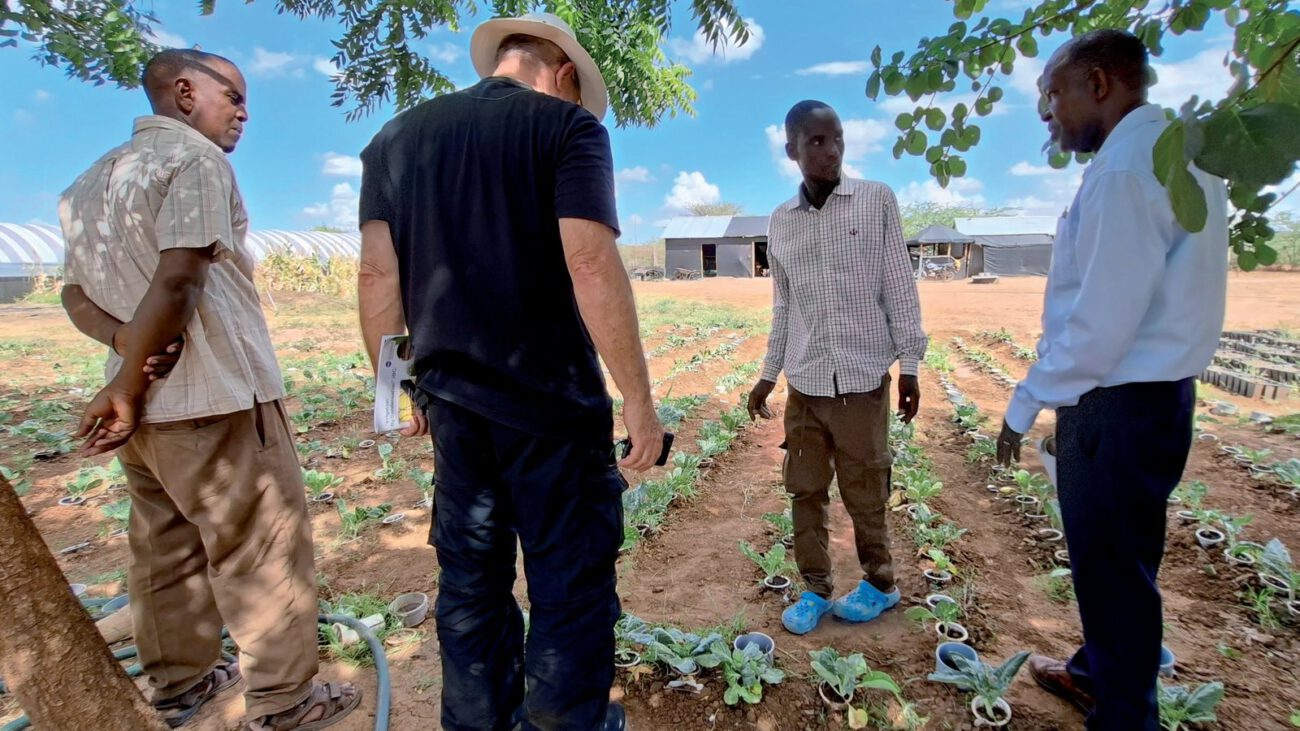
Pears Challenge Validation Trip to Kenya 2025, Nura Global Innovation Lab
Yet when we look at Africa, it accounts for less than 2% of Israel’s trade. For all the technological potential and commercial opportunities on both sides, much remains untapped. Generating interest in Africa’s commercial potential is only the beginning. Turning that interest into sustainable business takes three essential ingredients: adaptation, viable business models and networks.
Adaptation: One size rarely fits all
Most Israeli technologies were developed with Western markets in mind. Infrastructure, supply chains, financial systems and consumer behavior can look rather different in Nairobi, Lagos or rural Tanzania. Even within countries, the differences can be enormous. A technology that works beautifully in one setting may prove impractical in another.
Consider drip irrigation. As rainfall becomes increasingly unpredictable, the case for efficient irrigation grows stronger. Yet smallholder farmers cannot adopt a technology simply because its benefits are obvious. It must suit their farming practices, available infrastructure and financial capacity. For lower-income consumers, adjustments to pricing, design and delivery can make the difference between an inaccessible invention and a product people can actually use. At scale, these consumers represent an enormous market.
This makes technology adoption a process of discovery. Companies must be ready to listen, test assumptions, gather feedback and occasionally rethink their products. For African businesses and organizations, this presents an opportunity to help shape the technologies they bring into their markets. Their knowledge of local needs, commercial realities and existing networks can be instrumental in adapting promising innovations into viable solutions, and building partnerships that last well beyond the pilot stage.
Business models: Follow the value
A business model that succeeds in Tel Aviv or London may need a rethink in Nairobi or Dar es Salaam. Different purchasing patterns, financing structures and value chains can open the door to creative commercial arrangements, sometimes with surprising answers to the question of who should foot the bill.
Agriculture offers a telling example. Food processors and buyers sourcing from smallholder farmers depend on reliable supply and consistent quality. Providing farmers with equipment, training or technical support can therefore make excellent commercial sense. The farmer benefits, the buyer secures better produce, and the technology provider gains a paying customer. Sometimes the best business model emerges by looking beyond the user.
Networks: The connections that make technology work
Companies often approach new markets through distributors. One contact, one contract, one gateway to a country. An appealingly efficient arrangement, at least on paper.
In many African markets, however, a distributor may be the last relationship worth establishing, rather than the first. Consider a company offering smart water-monitoring technology. Finding someone to sell its sensors may be straightforward. Ensuring those sensors generate value could require relationships with utilities, regulators, maintenance providers and financing institutions. Each has a role in making the solution work, and each may hold a piece of the commercial puzzle.
The same logic applies across sectors. Companies need local networks that can bridge gaps in infrastructure and institutional capacity. Without them, even an excellent product can fall short of expectations. The technology works. The system around it does not.
The Long Game of Innovation
The most promising partnerships begin with a clearly defined local need and the willingness to explore what it takes to address it. For Israeli innovators, that means investing time in understanding the market, adapting their approach and building the relationships that can carry a solution forward. For African businesses and organizations, it is an opportunity to help shape technologies around their own priorities and commercial realities. With the right preparation and partners, the potential on both sides is considerable.
About Nura Global Innovation Lab
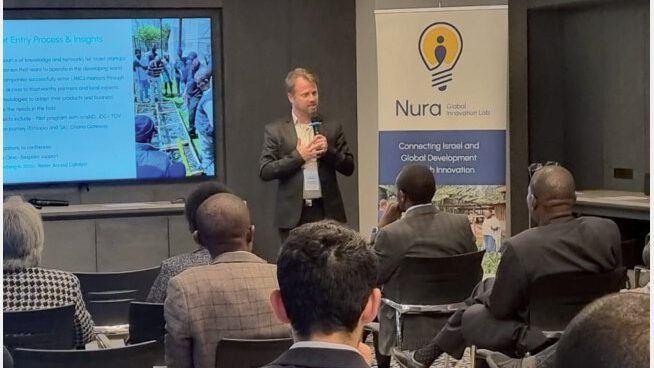
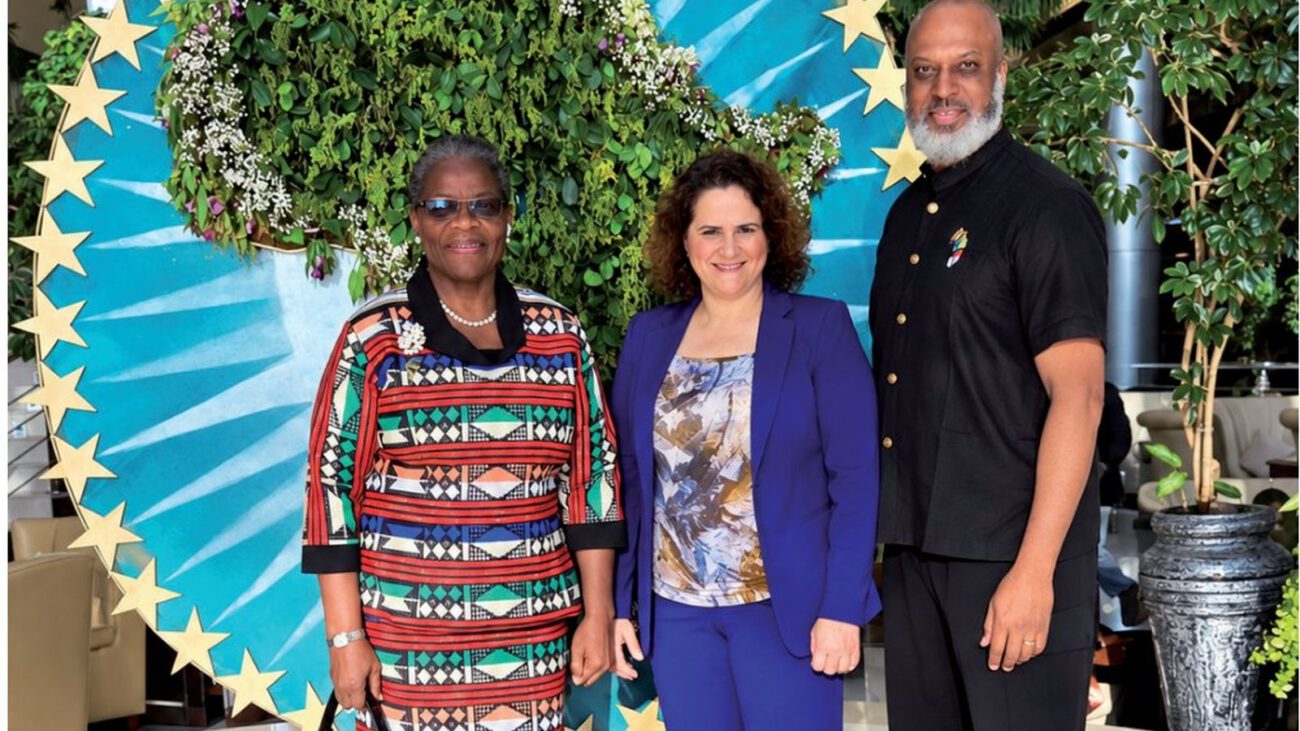
Nura Delegation to Kenya 2026, Business Seminar in collaboration with the Trade Mission of Israel
Photos: courtesy of Nura Global Innovation Lab
Nura Global Innovation Lab is an Israeli nonprofit organization that has spent the past 15 years connecting needs and opportunities in the Global South with Israel’s innovation ecosystem.
It supports Israeli entrepreneurs, startups and established companies with market exploration, technology adaptation, product-market fit, business models, market-entry strategies and ecosystem mapping.
For African organizations, Nura helps identify and assess Israeli technologies against local needs, facilitates introductions and supports partnerships from initial interest to practical collaboration.
Its approach centers on sharing knowledge, opening doors and bringing local expertise together with new ideas.

For more information:
yonatan@nuraglobal.org ● www.nuraglobal.org