Africa has vast agricultural resources, a young population and significant potential to increase local food production. Yet much of this potential remains unrealised. Climate change, rapid population growth, dependence on rain-fed agriculture, limited water infrastructure and post-harvest losses continue to undermine productivity and food security.
The figures illustrate the scale of the challenge. According to the UN Food and Agriculture Organization, more than 300 million people in Africa were undernourished in 2024, while nearly 60% of the continent’s population experienced moderate or severe food insecurity. At the same time, the African Development Bank estimates that Africa’s food and agriculture market could reach $1 trillion by 2030, provided that the continent can increase production, develop local value chains and reduce its dependence on imports.
Between these two figures lies one of Africa’s most important growth opportunities: the transition from agriculture exposed to rainfall fluctuations and climate shocks to farming that is more precise, efficient and resilient.
One Continent, Different Water Challenges
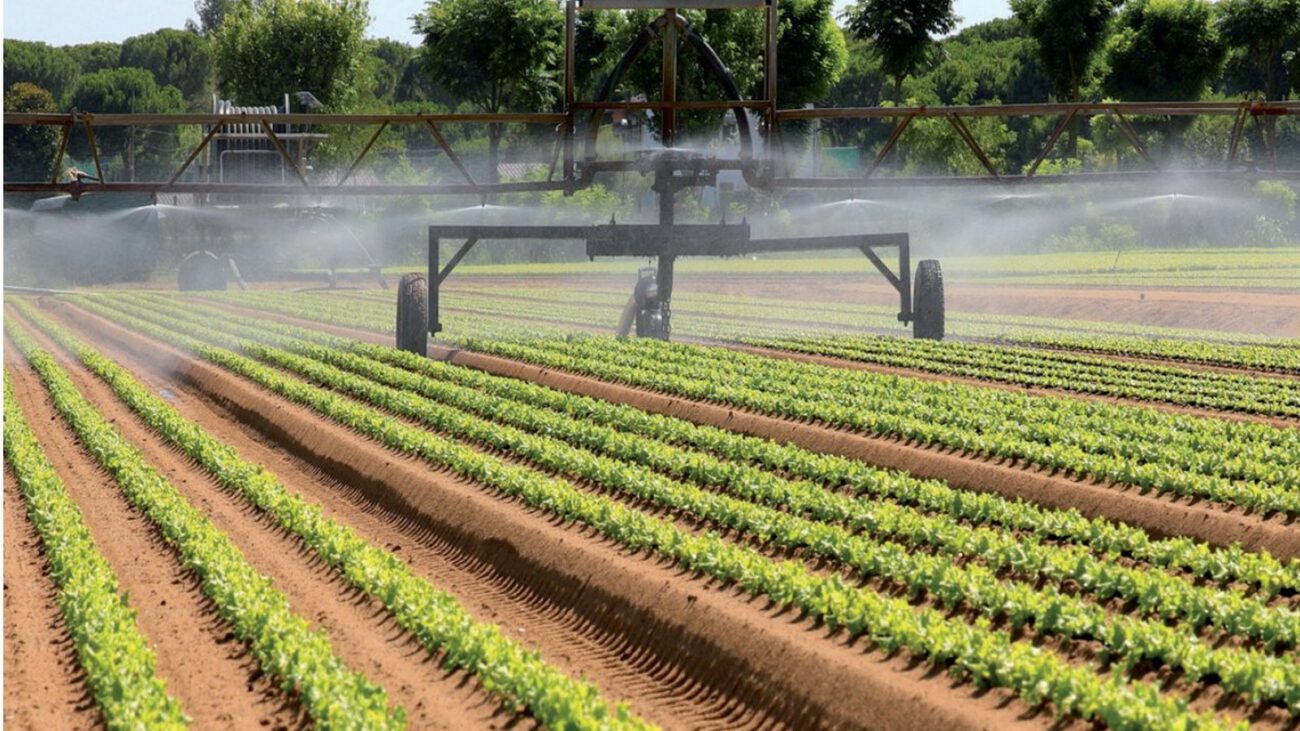
There is no single model that fits the whole of Africa. In North Africa, particularly in Morocco, Tunisia and Egypt, water scarcity and the depletion of natural water sources are driving investment in desalination, treated wastewater reuse, precision irrigation and high-value crops.
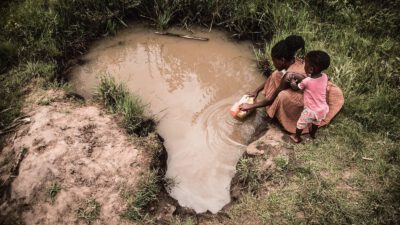
Across the Sahel, drought, desertification and increasingly unpredictable rainy seasons call for durable systems that are simple to operate, together with water storage, soil monitoring and renewable energy. In parts of East and Southern Africa, significant water resources may be available, but the infrastructure needed to deliver that water to villages, farms and plant roots is often lacking. According to UNICEF, more than 226 million people in Eastern and Southern Africa still lack access to even basic drinking water services. Many people in the region depend on smallholder farming for their livelihoods. Even when suitable technology exists, its cost, access to financing and the ability to maintain it can become the main barriers to adoption.
Only around 4% of cultivated land in Africa is irrigated, compared with much higher rates in other parts of the world. In East Africa, the figure is even lower, at an estimated 2.2% of cultivated land. The consequences extend beyond crop losses during drought years. Without a predictable water supply, farmers struggle to shift to commercial crops, obtain financing, sign long-term contracts or supply produce of consistent quality and volume. Irrigation is therefore economic infrastructure, as much as an agricultural technology.
Israel as a Testing Ground
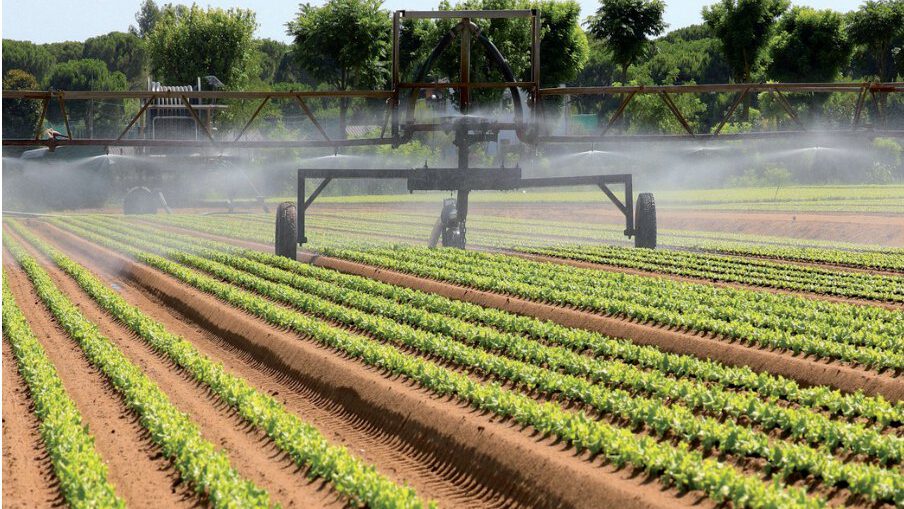
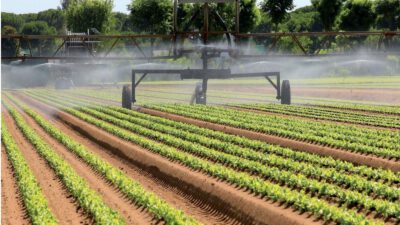
The connection with Israel begins with similar underlying conditions: an arid climate, limited natural water resources and the need to produce more from every unit of land and every cubic meter of water. Over several decades, Israel has developed a system that combines drip irrigation, fertigation, wastewater treatment, desalination, monitoring and control, and the integrated management of different water sources.
Around 94% of Israel’s wastewater is collected and treated, and approximately 87% is reused, primarily in agriculture. Large desalination plants have also made seawater a central component of the country’s water supply. As a result, Israeli expertise extends beyond individual products. It includes planning, regulation, pricing, operation and the integration of natural, desalinated and reclaimed water.
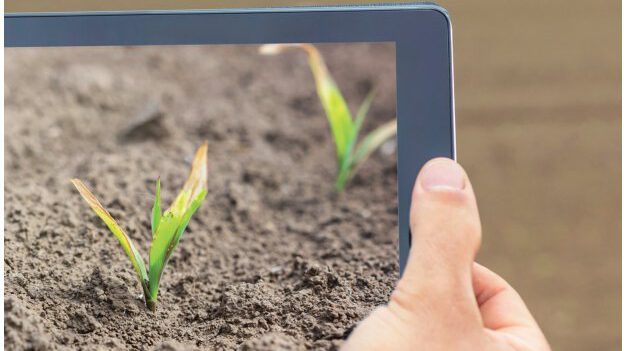
Israel’s offering now extends far beyond drip irrigation. It includes soil and plant sensors, irrigation forecasts based on weather data, artificial intelligence for detecting disease and crop stress, satellite and drone monitoring, greenhouse systems, post-harvest technologies, leak detection, treatment of brackish water and wastewater, and solar-powered water pumps.
The combination of water, agriculture, energy and data technologies is particularly relevant to markets that must achieve better results with limited resources. However, a product developed in Israel cannot simply be copied and installed in an African country. Soil conditions, crop varieties, water quality, farm size, energy prices, professional expertise and local maintenance capacity all require solutions to be adapted to each market and project.
From the Field: Projects at Different Scales
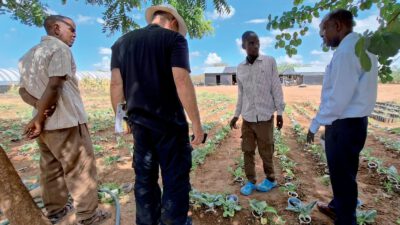
Israeli projects across the continent illustrate the range of possible models. In Rwanda, Netafim is a partner in the Gabiro Agribusiness Hub, a public-private initiative that developed water, energy and irrigation infrastructure across approximately 5,600 hectares in its first phase. The site also includes greenhouses, a demonstration farm, agronomic training and infrastructure that allows growers and investors to begin operating on prepared agricultural land. The full plan covers approximately 15,600 hectares.
In Tanzania, Israeli irrigation systems are being incorporated into a new sugarcane development led by the Rai Group. According to the group and Netafim, approximately 7,000 hectares have already been committed to the project, with plans to expand to between 18,000 and 20,000 hectares. The project demonstrates how a shift from rain-fed agriculture to precision irrigation can make yields more predictable and support industrial-scale agricultural production.
At the other end of the scale, the Israeli organization Innovation: Africa works in remote villages that are not connected to water or electricity networks. The organization uses solar energy to pump groundwater and distribute it to taps throughout each village. A remote monitoring system developed in Israel tracks water output, energy consumption and technical faults. By the end of 2023, the organization had completed more than 1,100 projects in ten African countries, bringing water or electricity to more than five million people. In some communities, the new water infrastructure also provides a foundation for irrigation, food production and local income generation.
Financing models are beginning to evolve alongside the technology. In 2026, the International Finance Corporation, the private sector arm of the World Bank Group, proposed a financing facility of up to $80 million for Netafim’s operations in Africa and Latin America. The proposal illustrates the growing role of international financial institutions in expanding precision irrigation in markets where limited access to capital can delay technology adoption.
More Than Selling Equipment
Photos: Depositphotos
The next stage in Israel-Africa cooperation cannot be limited to equipment sales. Successful projects require local adaptation, training, spare parts, ongoing maintenance and financing models that allow smallholders to participate. Without continued support, even an advanced system can quickly become an expensive investment that fails to deliver the intended results.
The emerging direction is headed towards integrated solutions that cover the full chain: identifying the water source, transport and storage, irrigation and fertigation, crop monitoring, agronomic guidance and, in some cases, connecting farmers with buyers and markets. Blended finance, partnerships with local banks, farmer cooperatives and phased payment models can make technologies once accessible mainly to large farms available on a broader scale. For Israeli companies, Africa represents a significant market, but one that also presents international competition, currency risks, regulatory challenges and, in some countries, political instability. African partners increasingly expect more than imported equipment. They are looking for professional training, local job creation, cooperation with domestic companies and knowledge that remains in the country after the project has been completed.
For Israel, this means moving from the role of technology supplier to that of a partner in long-term development. For African countries, the right combination of water management, agriculture and innovation can increase yields, reduce food imports, strengthen farmers’ incomes and create new local value chains.
The central challenge is not simply to grow more food with less water; it is to turn every drop, every piece of data and every plot of land into an engine of food security and economic growth.