Corma Raises $125 Million at $1 Billion Valuation for Defensive Cybersecurity AI
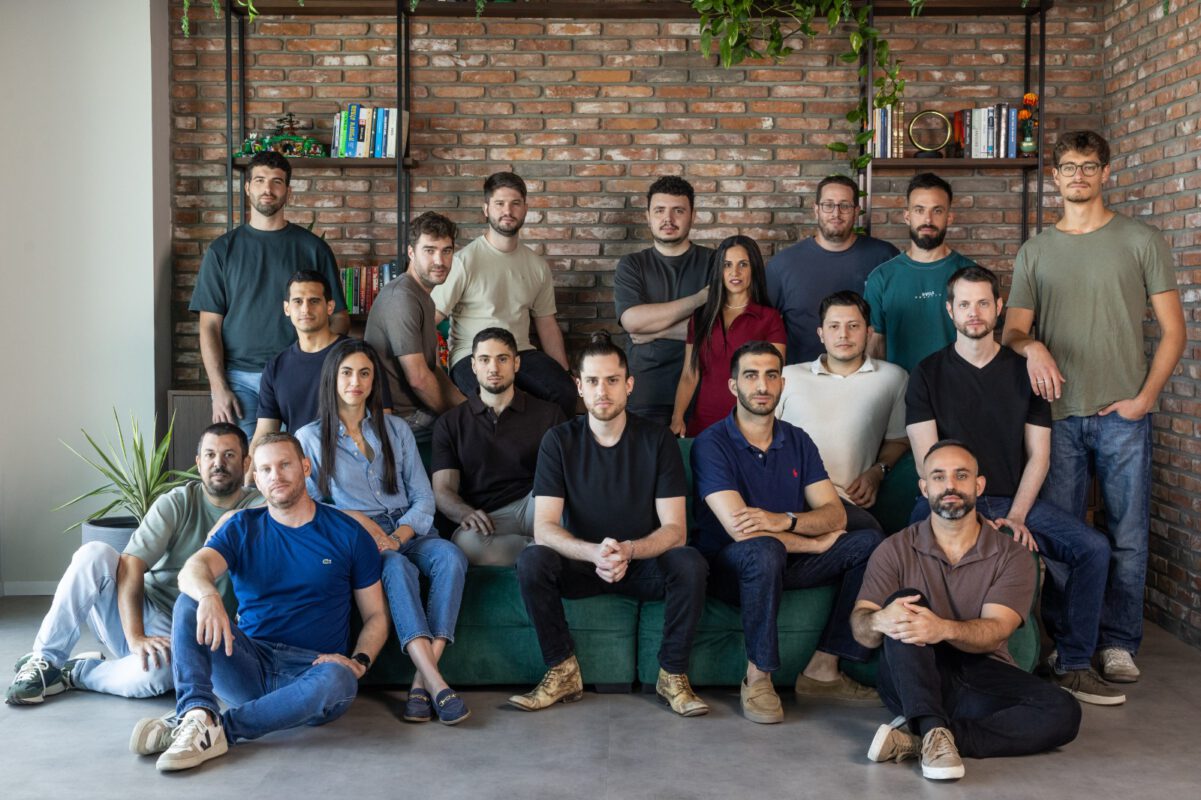
The Corma team. Photo courtesy of Corma
Israeli cybersecurity startup Corma has raised $125 million in a Series A round at a valuation of $1 billion, three months after emerging from stealth. The round was led by NEA, with participation from existing investors Sequoia Capital and Khosla Ventures. The new funding brings the company’s total raised to $185 million, including a $60 million seed round led by Sequoia and announced in August.
Founded in 2025 by CEO Alon Pluda, a graduate of the IDF’s Psagot program and a former Unit 8200 officer, Corma develops its own AI models designed specifically for defensive cybersecurity, rather than building on existing general-purpose models. Its AI agents work alongside customers’ security teams, using their existing security tools and operating autonomously.
The company operates from Tel Aviv and San Francisco, and its team includes researchers who previously worked at Google and DeepMind. Corma says its customers include Fortune 100 and Fortune 500 companies in healthcare, financial services, energy and critical infrastructure, retail and telecommunications. According to the company, demand rose after it unveiled its models in August, leading it to expand its server capacity 24-fold.
“No existing model was built for defense,” Pluda told Calcalist.
Israel's trade with Africa moved in different directions in 2024 and 2025: exports declined overall, imports rose, and markets such as Rwanda, Uganda and Kenya showed strong growth potential.
Africa's need to increase food production, adapt to extreme climate conditions and improve water management meets Israeli experience developed under conditions of scarcity.
Africa has become a global laboratory for mobile financial services, now moving beyond basic payments towards credit, insurance, cross-border trade and fraud prevention.
Senior officials of Israel's Ministry of Foreign Affairs and Israel's ambassadors across Africa welcome the Israel-Africa Business Guide 2026/27 and outline opportunities for trade, investment and partnership.
From telecom software and cybersecurity to digital learning, partnerships are opening new possibilities for African businesses, institutions and technology professionals.
Clear expectations, shared investment and room to learn together can help Israeli and African companies turn a promising introduction into a lasting relationship.
Join our newsletter for updates on a wide range of Israeli technologies and companies across different sectors.
Stay informed and discover potential business opportunities.