Recruitment and HR – Talent, Skills and Workforce Transformation
Germany’s evolving labor market and skills shortages create opportunities for innovative recruitment and HR solutions from the Israeli ecosystem
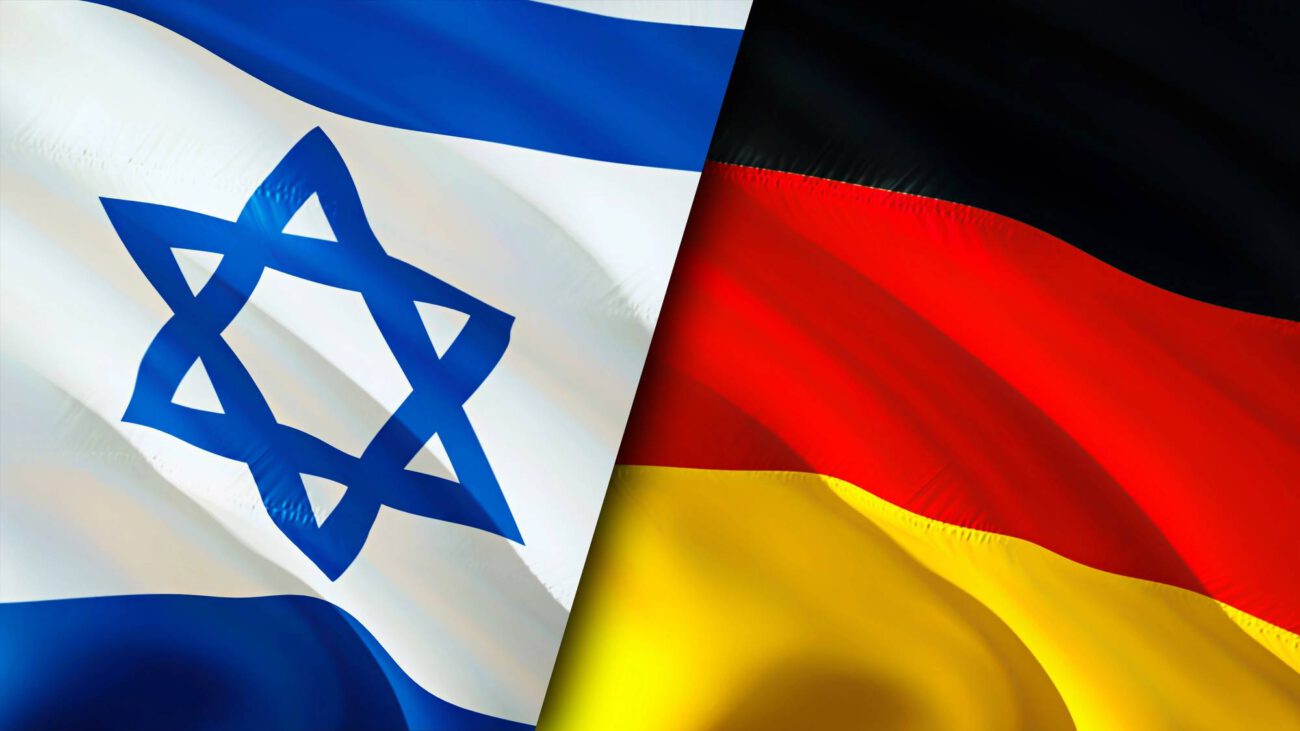
Photo: Depositphotos
Germany’s labor market is undergoing significant change. Demographic trends, digital transformation, and the demand for new skills are reshaping workforce needs across industries. Many sectors, including engineering, IT, healthcare, and manufacturing, face persistent talent shortages, while companies are required to adapt to new working models and regulatory frameworks.
Recruitment and human resources have therefore become strategic functions. German employers seek solutions that improve talent acquisition, workforce planning, and employee retention, while maintaining compliance with labor laws and collective agreements. Data-driven HR tools and digital platforms are increasingly used to support these objectives.
Israel’s HR and recruitment technology ecosystem has developed innovative solutions in areas such as talent analytics, skills matching, remote workforce management, and digital recruitment platforms. Israeli companies often focus on efficiency, scalability and the intelligent use of data to address workforce challenges.
For German organizations, Israeli HR technologies can complement existing systems by enhancing recruitment processes, improving decision-making, and supporting workforce flexibility. These solutions are particularly relevant in technology-driven sectors and in international organizations that operate across borders.
As Germany continues to adapt its labor market to economic and technological change, cooperation with Israeli HR innovators supports a more agile and resilient workforce, aligned with future skills requirements.
The Israeli startup, founded by former Coinbase and Unbound Security executives, emerged from stealth with backing from Coinbase Ventures and New York Life Ventures.
Elbit Systems Deutschland will equip four new F128 frigates built by TKMS with its Aqua Marine naval electronic warfare self-protection suite under a five-year contract.
The agreement between the Israel Space Agency and Germany's space agency at DLR coincided with Israel's first national pavilion at Space Tech Expo Europe.
Israel's trade with Africa moved in different directions in 2024 and 2025: exports declined overall, imports rose, and markets such as Rwanda, Uganda and Kenya showed strong growth potential.
Join our newsletter for updates on a wide range of Israeli technologies and companies across different sectors.
Stay informed and discover potential business opportunities.