Cybersecurity – Protecting Critical Infrastructure and Digital Industry

As digitalization expands across industry and infrastructure, Israeli cybersecurity technologies support Germany in strengthening resilience, regulatory compliance, and protection of critical systems
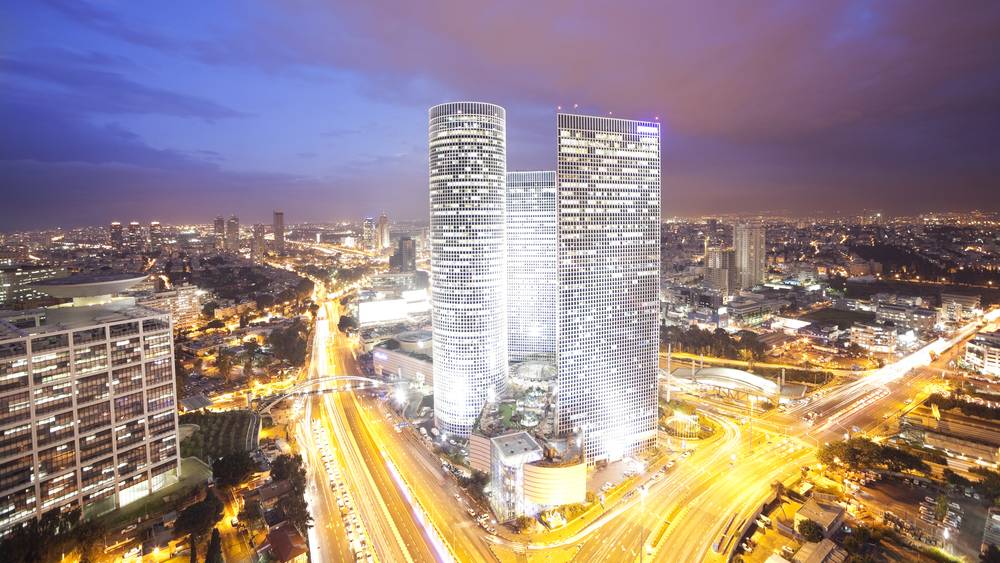
Photo: Depositphotos

Germany’s digital transformation has significantly expanded the attack surface across its economy. Industrial systems, energy networks, transportation infrastructure, healthcare services, and public-sector platforms are increasingly connected and data-driven, while simultaneously exposed to more complex cyber threats. New European regulations, most notably NIS2, impose stricter requirements for risk management, preparedness, and incident response.

Cybersecurity challenges are no longer limited to traditional IT environments. German organizations are required to protect operational technology, supply chains, and hybrid systems in which legacy and modern platforms coexist. This challenge is particularly acute in sectors such as manufacturing, energy, transportation, and healthcare, where operational disruptions can have serious economic and societal consequences.

Israel is widely regarded as a global cybersecurity hub, with extensive experience in threat detection, incident response, and the protection of critical infrastructure. Israeli companies have developed advanced solutions for continuous monitoring, risk assessment, industrial security, and the protection of complex and distributed environments.

For German organizations, Israeli cybersecurity technologies offer a combination of operational readiness and regulatory alignment. Many solutions are designed to function within integrated environments and to enhance security without compromising operational continuity. Cooperation with Israeli providers helps German companies meet regulatory requirements while strengthening their overall cyber resilience.

As Germany’s economy becomes increasingly digital and interconnected, cybersecurity has emerged as a foundational element of trust, stability, and competitiveness. Collaboration between Germany and Israel in this domain supports a secure basis for industrial growth and technological innovation.

This content might interest you as well

Israel's trade with Africa moved in different directions in 2024 and 2025: exports declined overall, imports rose, and markets such as Rwanda, Uganda and Kenya showed strong growth potential.
The Israel-Africa Relations Institute is working to turn Africa's growing global influence into lasting strategic partnerships with Israel.
Africa's need to increase food production, adapt to extreme climate conditions and improve water management meets Israeli experience developed under conditions of scarcity.
Africa has become a global laboratory for mobile financial services, now moving beyond basic payments towards credit, insurance, cross-border trade and fraud prevention.
Senior officials of Israel's Ministry of Foreign Affairs and Israel's ambassadors across Africa welcome the Israel-Africa Business Guide 2026/27 and outline opportunities for trade, investment and partnership.
From telecom software and cybersecurity to digital learning, partnerships are opening new possibilities for African businesses, institutions and technology professionals.
Technology is only the starting point. What it takes to succeed in African markets: insights from Nura Global Innovation Lab.
Clear expectations, shared investment and room to learn together can help Israeli and African companies turn a promising introduction into a lasting relationship.
Through agricultural training, water expertise, medical cooperation and humanitarian assistance, MASHAV works with African partners to strengthen local skills and support lasting development.
By combining Israeli solar and water technologies with African expertise and community participation, Innovation: Africa has delivered more than 1,400 sustainable projects.
Autonomous irrigation, local partnerships and sustainable urban livelihoods: how SoliDrip helps turn rooftops and courtyards in African cities into productive farms.
WE Africa connects global expertise and technology with opportunities across Africa in nine sectors, from agriculture and water to energy, health and logistics.

More Categories

Related Posts

German companies entering the Israeli market usually arrive with a clear plan, defined objectives, and high professional standards. However, Israel

Dear Readers, 2025 marked sixty years of diplomatic relations between Israel and Germany. In 1965, when our countries formally established

Most Christian business leaders in Germany are not familiar with Israel as the “Startup Nation” and are often unaware of