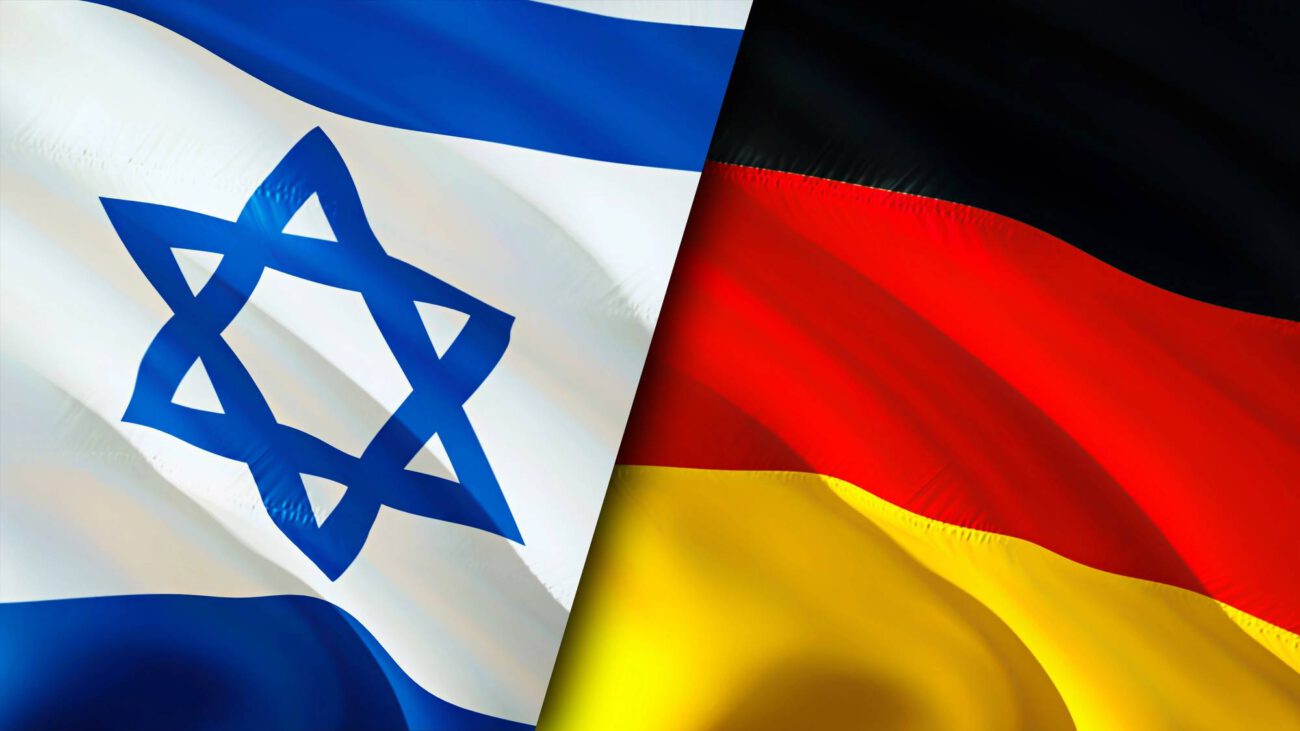
Semiconductors: Strategic Capabilities for Europe’s Digital Future
As Germany strengthens its semiconductor ecosystem, Israeli expertise in chip design and advanced technologies complements European manufacturing ambitions
Photo: Depositphotos
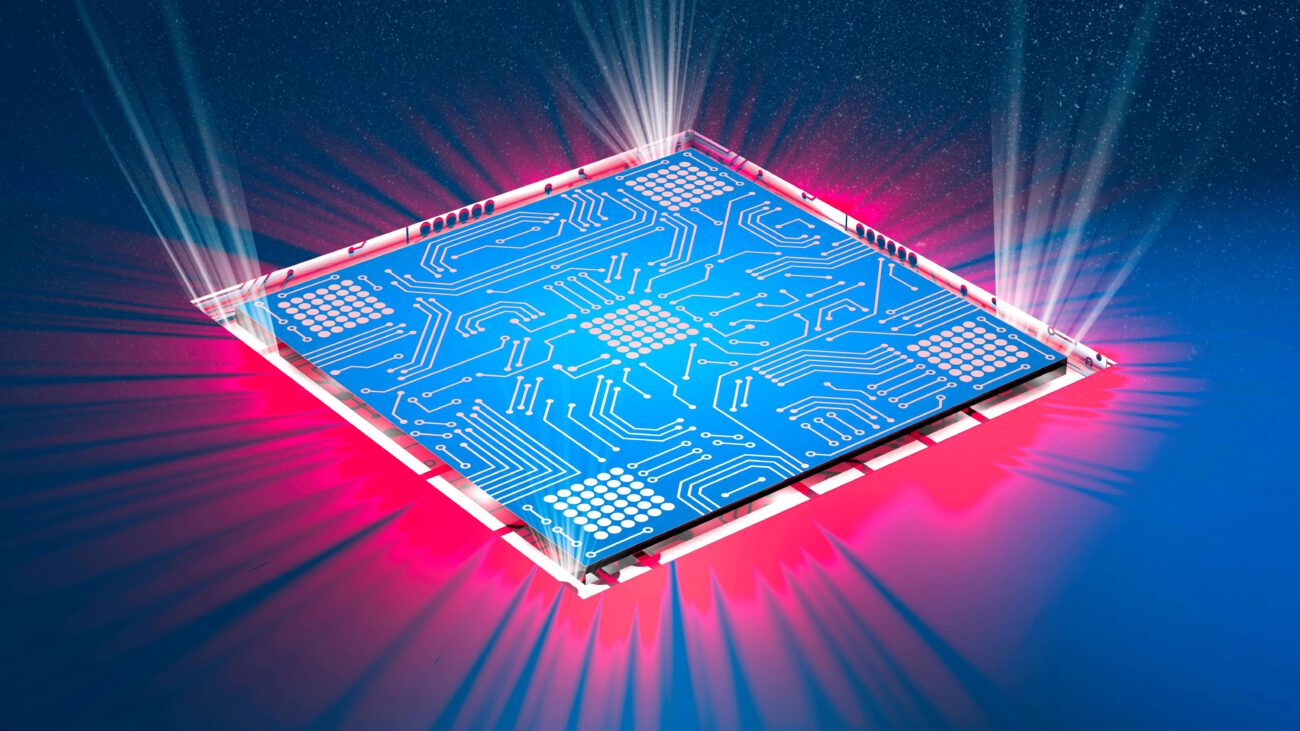
Semiconductors have become a strategic priority for Germany and the European Union, driven by supply chain vulnerabilities and the growing demand for advanced chips across automotive, industrial, and digital applications. Germany plays a central role in Europe’s semiconductor strategy, with significant investments in manufacturing, research, and ecosystem development.
While Germany’s strength lies in advanced manufacturing, equipment, and industrial applications, the semiconductor value chain also depends heavily on design, verification, and specialized technologies. Bridging these domains is essential for building a resilient and competitive European ecosystem.
Israel is a global center of excellence in semiconductor design, verification, and advanced chip technologies. Israeli companies and R&D centers are active in areas such as automotive chips, AI accelerators, sensors, and communication technologies. This expertise is closely aligned with the needs of Germany’s automotive and industrial sectors.
For German manufacturers and research institutions, collaboration with Israeli semiconductor innovators provides access to advanced design capabilities and specialized know-how. These partnerships support faster development cycles, improved performance, and greater flexibility across the value chain. As Europe invests in strengthening its semiconductor independence, cooperation between Germany and Israel contributes to a more integrated and competitive ecosystem.
Israel's trade with Africa moved in different directions in 2024 and 2025: exports declined overall, imports rose, and markets such as Rwanda, Uganda and Kenya showed strong growth potential.
Africa's need to increase food production, adapt to extreme climate conditions and improve water management meets Israeli experience developed under conditions of scarcity.
Africa has become a global laboratory for mobile financial services, now moving beyond basic payments towards credit, insurance, cross-border trade and fraud prevention.
Senior officials of Israel's Ministry of Foreign Affairs and Israel's ambassadors across Africa welcome the Israel-Africa Business Guide 2026/27 and outline opportunities for trade, investment and partnership.
From telecom software and cybersecurity to digital learning, partnerships are opening new possibilities for African businesses, institutions and technology professionals.
Clear expectations, shared investment and room to learn together can help Israeli and African companies turn a promising introduction into a lasting relationship.
Through agricultural training, water expertise, medical cooperation and humanitarian assistance, MASHAV works with African partners to strengthen local skills and support lasting development.
By combining Israeli solar and water technologies with African expertise and community participation, Innovation: Africa has delivered more than 1,400 sustainable projects.
Autonomous irrigation, local partnerships and sustainable urban livelihoods: how SoliDrip helps turn rooftops and courtyards in African cities into productive farms.
WE Africa connects global expertise and technology with opportunities across Africa in nine sectors, from agriculture and water to energy, health and logistics.
Join our newsletter for updates on a wide range of Israeli technologies and companies across different sectors.
Stay informed and discover potential business opportunities.