In 1958, while the young State of Israel was still navigating the complexities of its own early years, its then-Foreign Minister, Golda Meir, embarked on a diplomatic tour across Africa. Witnessing newly independent African nations at the dawn of their own sovereignty, she was deeply moved by the monumental challenges they faced. Meir returned home with a burning conviction: Israel must assist. The foundational idea was simple yet revolutionary – to help fellow nations overcome critical development hurdles in areas such as health, education, malnutrition, and gender inequality by sharing the very same technological know-how and innovations that had driven Israel’s own rapid growth. For that purpose, that same year, MASHAV – the Hebrew acronym for ‘Department for International Cooperation’ – was established. Though it began as just a small department inside the Ministry of Foreign Affairs at the time, it was built upon a profound moral ethos. As Golda Meir later reflected: “The truth is that we did what we did in Africa, not because it was just a policy of enlightened self-interest, but because it was a continuation of our own most valued traditions and an expression of our own deepest historical instincts.” Over time, that small department evolved into Israel’s official Agency for International Development Cooperation within the Ministry of Foreign Affairs. Nevertheless, it has proudly kept its original acronym, MASHAV, which has grown into a globally recognized brand, synonymous with technical assistance and human capacity building worldwide. Aligning its mission with the UN 2030 Agenda for Sustainable Development, MASHAV focuses on sectors in which Israel has cultivated a distinct comparative advantage and proven expertise: food security, agriculture and climate change, emergency preparedness, community resilience, women’s empowerment, innovation, research and development, medicine, education, and water management – a sector in which MASHAV has appointed a dedicated Special Envoy for Water Affairs. Over the past five years, MASHAV training programs have hosted around 2,000 African professionals, alongside many from other countries.
Partnerships
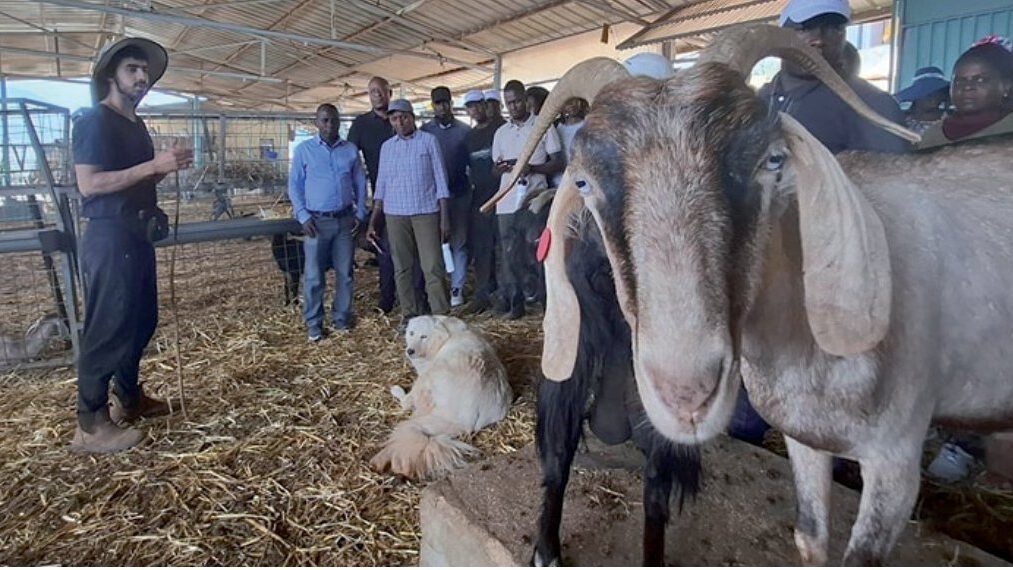
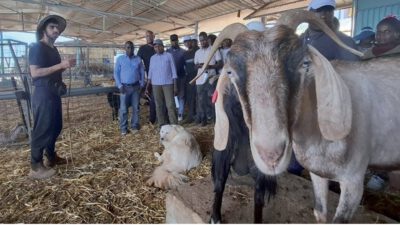
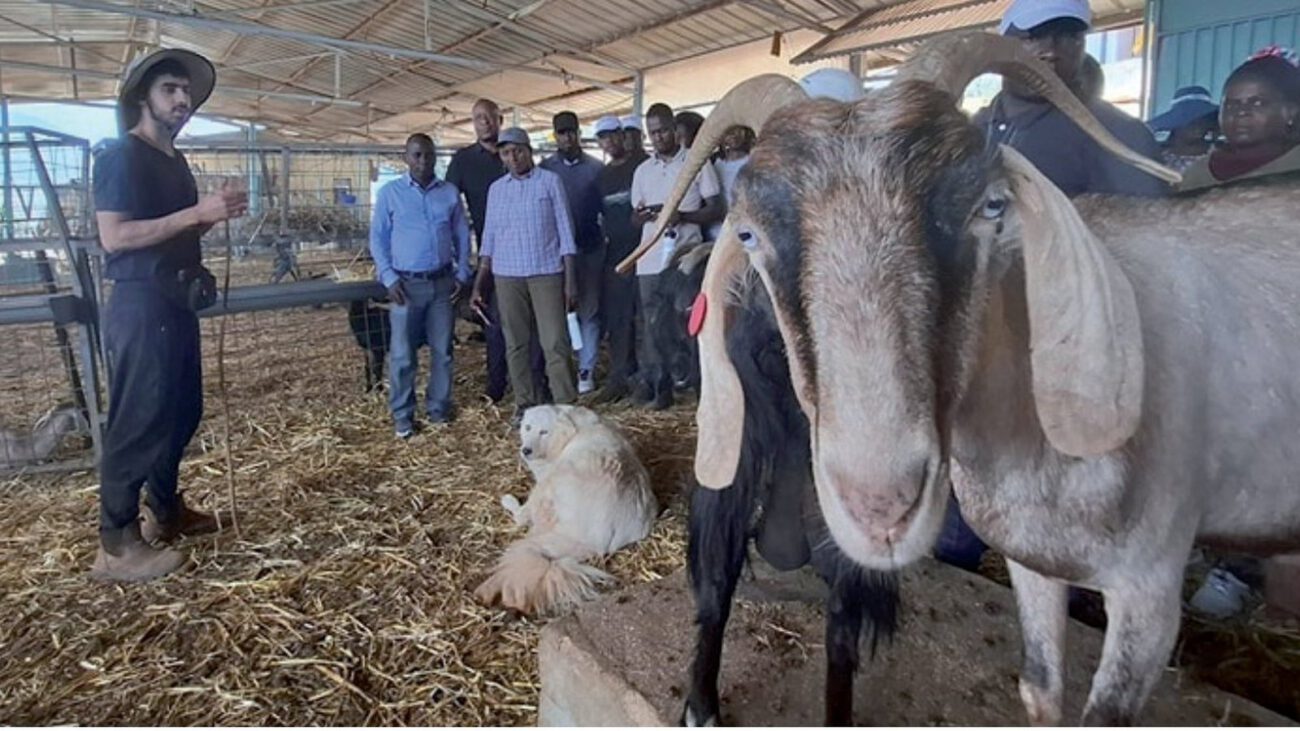
Malawi: Livestock specialists train at a goat farm in Israel, May 2025
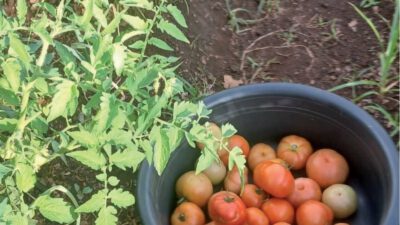
MASHAV strongly believes that sustainable development is a collaborative effort, partnering with a wide variety of actors – bilaterally, trilaterally, and multilaterally – to contribute its unique strengths to joint development projects. As part of strategic academic partnerships, African students participate in programs such as the University of Haifa’s international master’s in education and early childhood development, the Hebrew University of Jerusalem’s international master’s in public health and Glocal master’s in international development, and African studies at Ben-Gurion University of the Negev. Furthermore, MASHAV serves as a strategic partner in major global projects led by the American Jewish Joint Distribution Committee (JDC). One such initiative is the TOV (“Tikkun Olam Ventures”) project in Ethiopia, a scalable agricultural initiative aligned with Ethiopia’s national development priorities. Implemented in cooperation with JDC and Ethiopia’s Ministry of Agriculture, the program supports more than 5,000 smallholder farmers through the introduction of Israeli agricultural technologies, professional know-how, and structured market linkages. Through the program, participating farmers have achieved up to threefold increases in yield and reduced production costs by approximately 50%, strengthening income resilience and food security.
MASHAV also supports JDC’s IMPACT WELL project, a global health initiative using Israeli medical technologies to deliver life-saving healthcare to vulnerable communities. In Ethiopia, the project is expanding neonatology and trauma care, and supplying advanced orthopedic equipment to the national spinal surgery center. Furthermore, neonatology activities are planned for Liberia – building on last year’s MASHAV-supported mission – as well as for Malawi, Burundi, and Ghana.
Agriculture Training and Projects
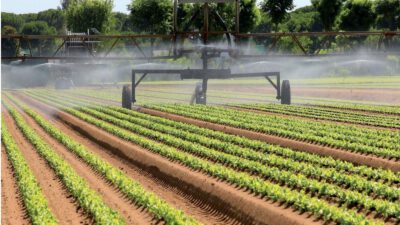
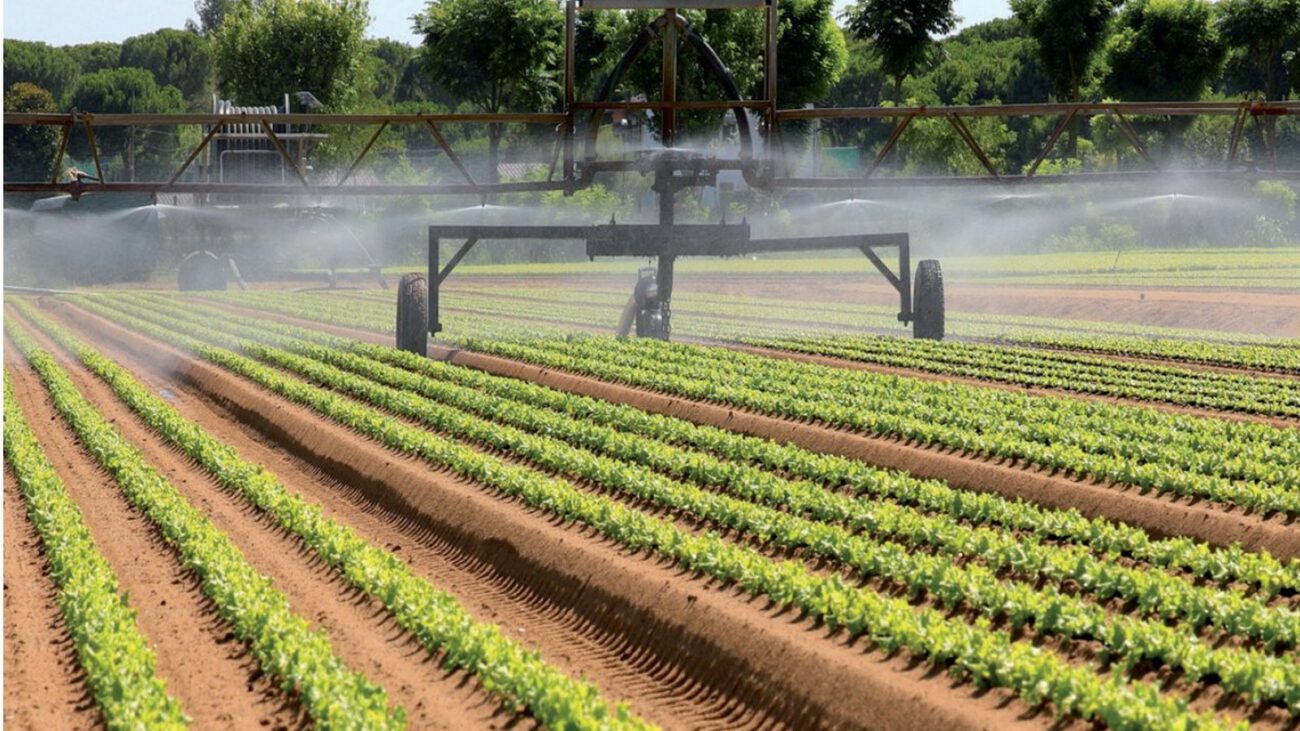
MASHAV’s extensive agricultural activity in Africa includes establishing demonstration farms, Centers of Excellence, and deploying two long-term MASHAV agronomists who operate regionally from bases in Kenya and Senegal. A significant pillar of this sector is the Agricultural Internship program. A dedicated department at MASHAV oversees this 11-month program, which aims to build agricultural capacity for students of agriculture from a number of developing countries, including those in Africa. Facilitated by five training centers across Israel, the program offers one day of weekly theoretical studies and five days of hands-on, paid agricultural work with Israeli farmers who mentor the interns. Upon returning home, graduates leverage their acquired knowledge and savings to establish agricultural enterprises, strengthening food security.
One worthy example is a project implemented in Malawi last year to strengthen the goat meat sector and enhance farmers’ income. MASHAV, through its operational platform, MATC (MASHAV International Agricultural Training Center), partnered with Malawi’s Ministry of Agriculture and Lilongwe University of Agriculture and Natural Resources (LUANAR) to launch a national goat genetic improvement initiative. The project was implemented through a fully funded professional training program in Israel for Malawian livestock specialists, infrastructure upgrades at the Likasi breeding farm, and the procurement of female goats and high-quality Boer genetic material. For the first time in Malawi, frozen semen artificial insemination was successfully carried out, laying the groundwork for a structured breeding nucleus and ensuring the program’s long-term sustainability.
Other agricultural projects from recent years include training in the avocado value chain in Butajira, Ethiopia, where MASHAV introduced avocado as a commercial crop and inaugurated the country’s first avocado nursery back in 2004, a project which was carried out for 14 years, from seedlings to harvest, post-harvest and marketing, as well as a capacity-building program in agriculture, water, and irrigation in Zambia.
Following the establishment of diplomatic relations between Israel and Somaliland, MASHAV hosted two delegations of water engineers from this country in Israel earlier this year for two tailor-made courses dedicated to water management.
Medical Missions
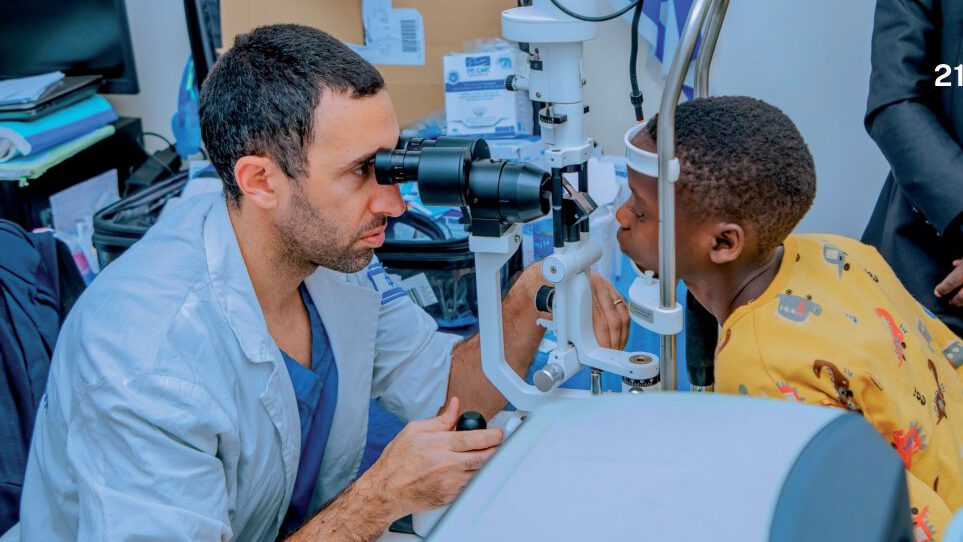
Burundi: A Sourasky Medical Center specialist examines a child at Umugiraneza Polyclinic, 2025
MASHAV has provided extensive medical assistance across the continent. In recent years, the agency supported advanced anesthesia training for nearly 100 doctors and medical professionals in Ethiopia, as well as a pediatric disaster medicine seminar in Kenya, led by experts from Hadassah Medical Center. Furthermore, Israeli medical delegations have delivered specialized treatments and training by advancing trauma care and public health in Togo, ophthalmology and pediatric care in Ethiopia, and neonatology care and training for local medical teams in Burundi, Ghana, Liberia, and Malawi.
Additionally, intensive care units (ICUs) were built by MASHAV in numerous African countries over the years – most recently in Chad, and in South Sudan in 2022, where additional training for the medical team was provided in 2024. Preparations were also made to establish an ICU in Zambia in 2025.
Humanitarian Aid
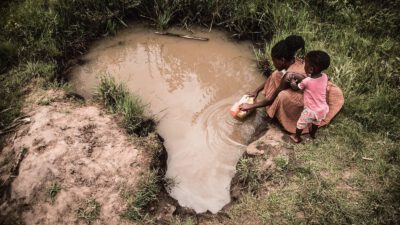
Approximately 15% of MASHAV’s budget is dedicated to humanitarian assistance for fellow nations and communities facing natural disasters and crises. In recent years, the agency has delivered vital emergency responses across the African continent to address a wide range of challenges. Following severe floods in 2024, MASHAV donated ten advanced water filtration systems to Nigeria to provide safe drinking water, and delivered large quantities of food and medicine to Cameroon in response to devastating floods in its northern region. Furthermore, immediate relief was offered to Madagascar following a destructive cyclone, and to communities facing widespread displacement and loss of housing after severe flooding in South Africa’s Eastern Cape. MASHAV also actively addresses complex displacement and health emergencies; in South Sudan, the agency collaborated with the Israeli NGO IsraAID to supply hygiene support, nutrition services, and referral systems to Sudanese refugees, returnees, and internally displaced persons. Furthermore, to help combat the Ebola virus, MASHAV partnered with the Ministry of Health to donate essential medical equipment to the Democratic Republic of Congo.
MASHAV’s Alumni
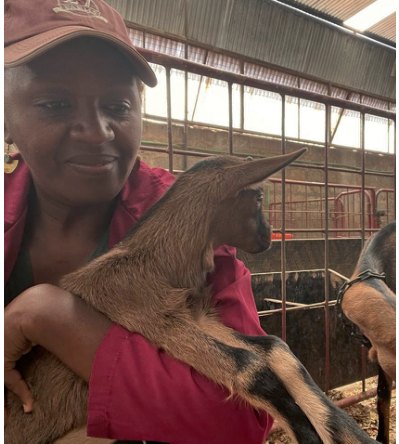
Kenya: Jacqueline Gathura establishes a feed mill for goat and sheep farming with MASHAV support
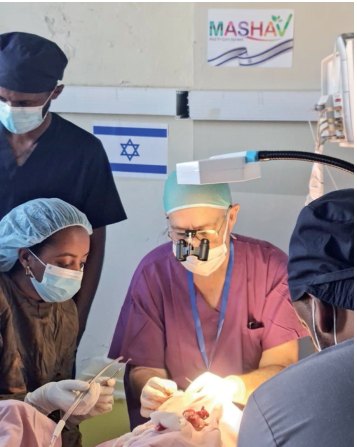
Ethiopia: Israeli and Ethiopian ophthalmologists operate together in Hawassa, 2025
Photos: courtesy of MASHAV
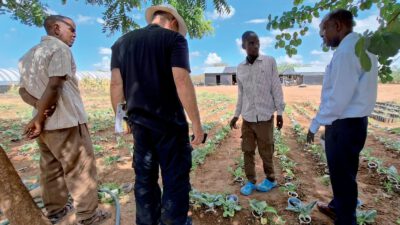
MASHAV is incredibly proud of its alumni, who implement the knowledge gained in the agency’s programs to initiate and promote wonderful projects for the benefit of their countries, which MASHAV supports with dedicated microgrants and technical guidance. These impactful projects can be seen driving progress across the continent. In Kenya, for example, an alumna of MASHAV’s course on small ruminant farming established a small-scale feed mill and nutrition center to support dairy goat and sheep farming. Also in Kenya, two graduates of the 11-month agricultural internship program established a demonstration farm focused on onion production in an arid and semi-arid environment. Similar agricultural advancements are taking place in Rwanda, where an alumnus established a demonstration farm that attracts small-scale farmers from surrounding areas, and in Tanzania, where MASHAV supported an agricultural internship alumnus in developing a dairy farm. Beyond agriculture, these graduates are also driving vital social change, such as a MASHAV alumnus in Burundi who leads a project focused on the socio-economic empowerment of vulnerable women and girls.
International Conferences
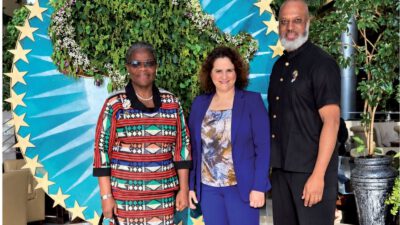
Along with the above-mentioned activities, MASHAV hosts international conferences. For example, in October 2025, MASHAV and the Golda Meir MASHAV Carmel International Training Center (MCTC) in Haifa hosted prominent women from all around the world at the 32nd International Women Leaders Conference titled “Shaping the Future: Women’s Leadership, AI & Gender Equality.” The conference featured representatives from several African countries – such as Angola, Benin, the DRC, Ethiopia, Kenya, Mozambique, South Sudan, and Togo – and offered an inspiring platform to share personal experiences and achievements while exploring the transformative potential of artificial intelligence in advancing gender equality and fostering more inclusive and equitable communities.
MASHAV’s enduring partnership with African nations highlights the power of shared knowledge and capacity building. Through agricultural innovation, medical support, capacity-building programs and humanitarian relief, Israel invests deeply in the continent’s human capital. These initiatives address immediate challenges while laying a resilient foundation for Africa’s long-term prosperity and self-sufficiency.