In many parts of the world, fintech developed as an additional layer on top of an established banking system. Africa followed a different path. Mobile phones enabled millions of people to bypass branches, credit cards and, in some cases, traditional bank accounts, moving directly to digital wallets.
The result is one of the world’s most dynamic digital finance markets. According to the World Bank, 40% of adults in Sub-Saharan Africa had a mobile money account in 2024, up from 27% in 2021. The region is now a world leader in mobile money adoption. GSMA data shows that Sub-Saharan Africa is home to approximately half of the world’s registered mobile money accounts, with usage expanding from person-to-person transfers to merchant payments, bill payments, savings, credit and insurance. Yet owning a digital account does not necessarily mean full financial inclusion. Millions of users still withdraw their money immediately in cash; small businesses struggle to obtain credit; different payment systems do not always communicate with one another; and crossborder transfers remain slow and expensive. The next stage of African fintech is not only about adding more users, but about turning mobile accounts into practical, secure and accessible economic tools.
Not One Market
Africa should not be treated as a single financial market. In East Africa, particularly Kenya, Tanzania and Uganda, mobile money is already part of daily life and is used for salaries, bills, purchases and transfers. The challenge is to extend the range of services surrounding existing wallets, including savings, credit, insurance and business payments.
In West Africa, Nigeria and Ghana have emerged as major fintech centers. Large populations, widespread mobile phone use and extensive networks of small businesses generate strong demand for digital payments, fast credit and business management tools. At the same time, infrastructure gaps, currency volatility, changing regulations and the continued use of cash complicate expansion.
In North Africa, banks play a more central role, and the transition to digital payments is advancing largely through institutional and regulatory channels. In February 2026, for example, the African Development Bank provided funding to Morocco’s central bank to support the development of electronic payments and reduce the use of cash.
South Africa has a relatively sophisticated banking system, but gaps in access remain. Its increasingly digital market also creates growing demand for cybersecurity, digital identity and fraud prevention.
Money Across Borders
One of the continent’s largest challenges is transferring money between countries. Official remittance flows to Sub-Saharan Africa reached approximately $54 billion in 2023, yet the region remained the world’s most expensive destination for sending money. The average cost of sending $200 was approximately 7.9%, well above the international target of 3%.
These costs have a direct impact on families, workers and small businesses. They also restrict trade between African countries at a time when the African Continental Free Trade Area is intended to expand it.
Solving the problem requires more than a convenient application. Banks, mobile wallets and currencies must be connected, while foreign exchange, rapid settlement, identity verification and compliance with anti-money laundering requirements must be handled efficiently.
This is one of the areas where fintech companies can create significant value. Shared payment infrastructure, open application programming interfaces and automated compliance systems can lower costs and establish new payment corridors. Their success, however, depends on cooperation among technology companies, banks, mobile operators, central banks and regulators.
Credit Without a Credit History
Access to finance is another major obstacle. Many small businesses and entrepreneurs operate without regular payslips, collateral or a formal banking history. Traditional banks therefore have limited information on which to assess their risk. For fintech companies, the customer’s digital activity can become an alternative source of information. Analysing payments, income, purchases and mobile usage patterns can support new models for assessing repayment capacity. This can make small, rapid loans available to customers who were previously excluded from the financial system. The technology does not eliminate risk and must be accompanied by transparency and consumer protection, but it can narrow the gap between genuine economic activity and the information available to lenders.
Fido, founded by Israeli entrepreneurs and active in Ghana and Uganda, provides an example. The company offers digital credit to consumers and businesses through an automated platform that uses data and machine learning. In 2024, it raised $30 million in debt and equity to expand its African operations. According to figures published at the time, Fido had served one million customers, around 40% of them small businesses, and had issued more than $500 million in loans.
As the Market Grows, So Does the Risk
The shift to digital finance expands access, but it also creates more opportunities for criminals. Phishing, identity theft, credit card fraud, business impersonation and money laundering are becoming faster and more sophisticated. During a 2024 operation across 19 African countries, INTERPOL and AFRIPOL arrested more than 1,000 suspects and dismantled over 134,000 malicious networks and infrastructures. In Kenya alone, investigators uncovered an online credit card fraud operation linked to losses of $8.6 million.
This need aligns closely with Israeli capabilities in cybersecurity, artificial intelligence and RegTech, which helps financial institutions meet regulatory requirements. Israeli companies develop systems for digital identity verification, transaction monitoring, anomaly detection, anti-money laundering, fraud prevention and real-time risk management. Israeli company ThetaRay, for example, provides Onafriq, a pan-African payment network, with artificial intelligence technology for transaction monitoring and the detection of suspicious activity. The system helps the payment company expand across countries and payment channels while meeting requirements related to money laundering and terrorism financing. The partnership demonstrates that compliance technology is not simply a protective layer; it can also provide the foundation for growth and the opening of new payment corridors.
Insurance by Mobile Phone
Fintech can also deliver services that would be difficult to distribute through traditional branches. OKO, a company founded in Israel, developed agricultural insurance based on weather data that can be purchased and managed by mobile phone. The service is designed for smallholder farmers, many of whom had never previously held an insurance policy.
The company operates in Mali, Uganda and Côte d’Ivoire and works with the Allianz insurance group. When weather data indicate that conditions covered by the policy have occurred, payments can be triggered without a lengthy traditional claims process.
The model connects fintech, agriculture and climate resilience. It shows how digital insurance can help farmers repay loans, prepare for the next growing season and continue operating after drought or crop damage.
Building Trust, Not Just an App
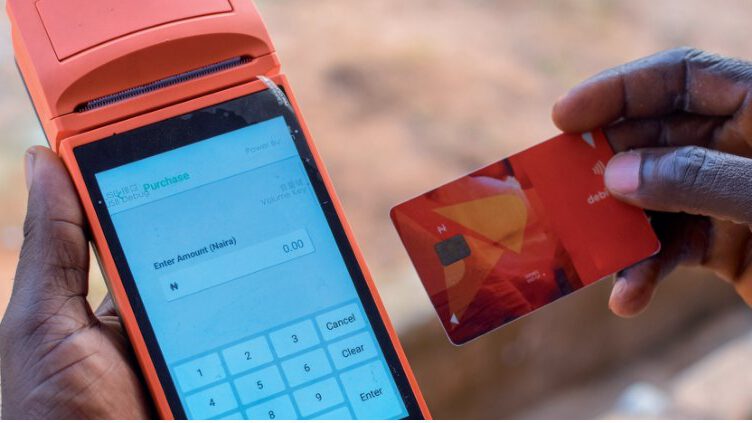
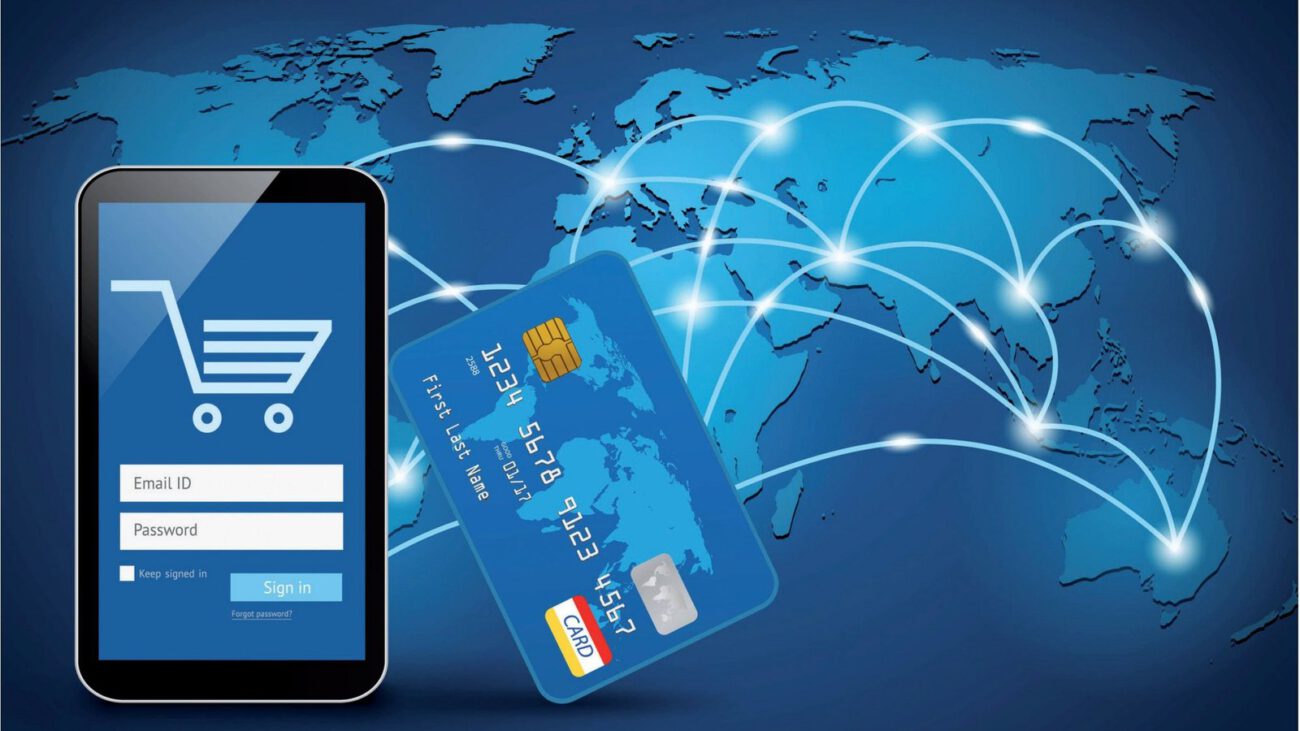
Photo: Depositphotos
The opportunity for Israeli companies lies less in reproducing products developed for the Israeli market and more in integrating their capabilities into local financial systems. African banks, mobile operators and fintech platforms already have customers, licenses and local knowledge. Israeli companies can provide the technological layers behind them, including security, identity verification, risk analysis, compliance, credit and insurance.
A successful financial service must nevertheless reflect local realities. It may need to operate on basic mobile phones and under limited connectivity, support multiple languages and currencies, and remain clear to users with little previous banking experience. Above all, it must earn their trust.
Africa’s financial transformation is already underway. The next opportunity is not simply to place a bank inside a phone, but to turn the phone into a secure gateway to credit, commerce, insurance and economic growth.