Israel-India Agricultural Collaboration: A Path to Sustainable Growth
How Israeli Innovation is Transforming Indian Agriculture
Agriculture in India is at the heart of the local economy and society. With about
60% of the population relying on agriculture for their livelihood, this is a critical
sector with far-reaching implications for food security, the economy, and social
stability. However, despite the vast size of the sector, Indian farmers face
significant challenges – expensive agricultural inputs, climate change, and a
shortage of advanced technology preventing them from maximizing their yields.
This is where Israel enters the picture with its expertise, innovation, and
experience in advanced agriculture, offering practical solutions to the complex
challenges facing Indian agriculture.
Israel’s Agricultural Expertise and Innovation
In Israel, where the climate is arid and resources are limited, groundbreaking
technologies have been developed over the years, enabling the country to
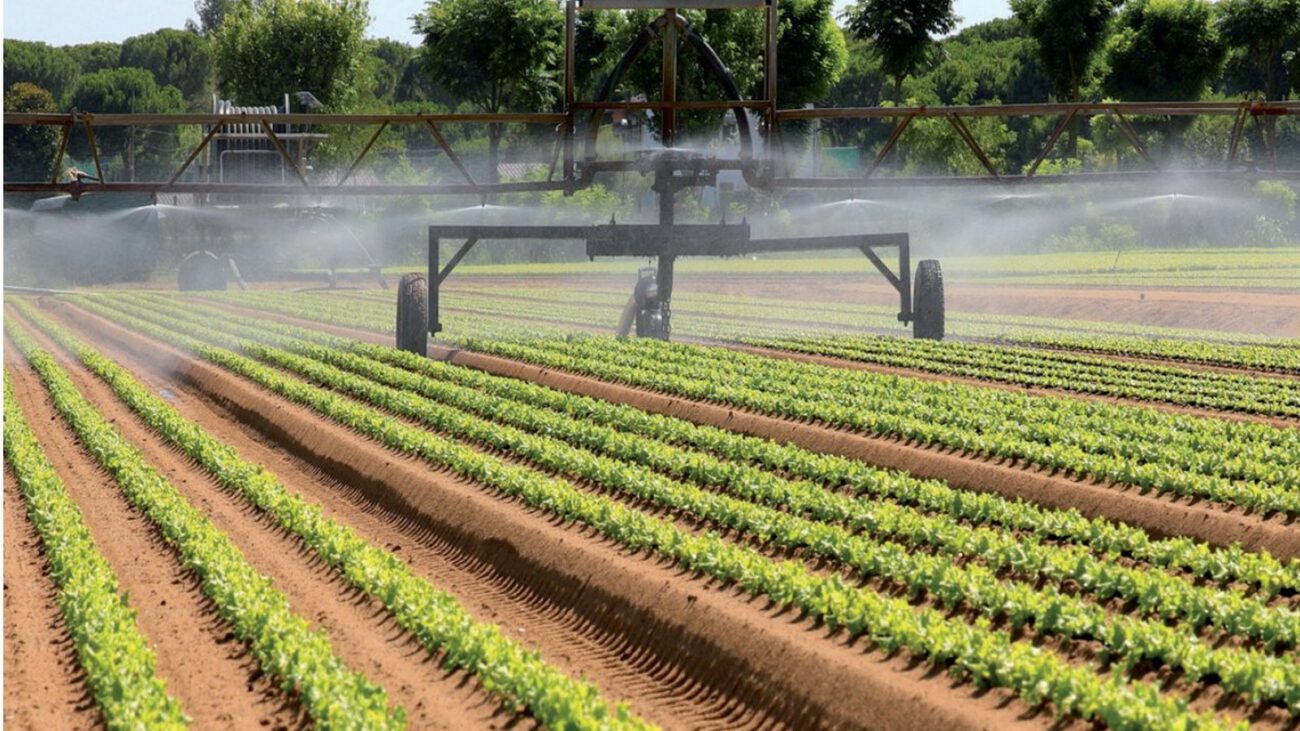
become a leading agricultural powerhouse. Advanced irrigation methods,
resilient crop varieties, and smart farming systems are just some of the Israeli
innovations that have repeatedly proven their effectiveness. Israeli farmers have
learned how to maximize their yields under harsh conditions—knowledge that
could be highly valuable to India, where agriculture is still largely based on
traditional methods.
Existing Agricultural Cooperation between Israel and India
For more than two decades, close ties have existed between Israel and India in
the field of agriculture, facilitated through Centers of Excellence in Agriculture
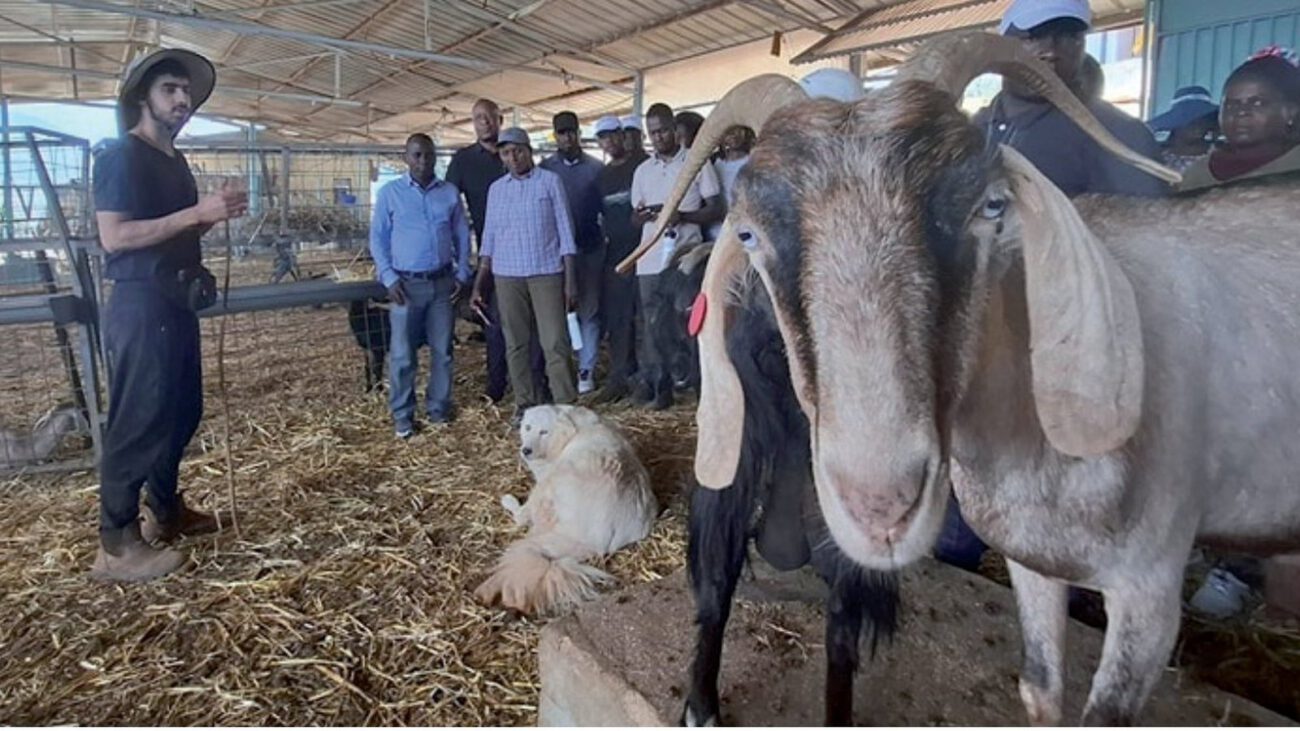
established across the subcontinent. These centers provide Indian farmers with
practical training on the use of Israeli technologies, crop improvement, and
resource management. Thousands of farmers have already undergone training
at these centers, making Israel a key player in the introduction of modern
agricultural techniques to India.
Smart Farming and Digital Agriculture
The future of Indian agriculture lies in smart farming—an area where Israel
excels. Israeli companies are pioneering the use of artificial intelligence (AI), big
data, and Internet of Things (IoT) technologies to optimize farming processes. AI-
powered systems can help farmers predict weather patterns, assess soil quality,
and automate precision irrigation, all of which lead to increased crop yields and
reduced resource wastage. Smart sensors and connected devices provide real-
time data, allowing farmers to make informed decisions about planting cycles and
pest control.
Israeli expertise in controlled-environment agriculture, including vertical farming
and greenhouse solutions, is also gaining traction in India. These methods not
only enhance productivity but also ensure food security in regions prone to
extreme weather conditions. Such solutions can be particularly beneficial for
India’s growing urban population, enabling the production of fresh produce closer
to consumers while reducing transportation costs and spoilage.
Overcoming Logistical and Market Challenges
Beyond technology, there is also a logistical and marketing challenge. Many
Indian farmers struggle to reach more profitable markets directly, often having to
sell their produce at low prices to intermediaries. Here, Israel can contribute not
only through technology but also by developing new business models to improve
the profitability of Indian farmers. Digital trading platforms, cooperative solutions,
and improved supply chains are just some of the ways through which the Indian
agricultural sector can be strengthened. The integration of blockchain-based
supply chain solutions could further enhance transparency and efficiency,
ensuring fair prices for farmers while reducing post-harvest losses.
India’s Budget Allocation and New Opportunities
Looking ahead, the Indian government has recognized the strategic importance
of agriculture and has allocated a significant budget in the upcoming fiscal year
to support modernization efforts in this sector. This financial commitment
presents new opportunities for Israeli agritech companies to introduce their
solutions on a larger scale and collaborate with both government and private
stakeholders to drive transformation in Indian agriculture. The focus on precision
agriculture, sustainable farming techniques, and digital tools for smallholder
farmers aligns well with Israel’s expertise and could serve as a catalyst for long-
term collaboration.
Additionally, with India’s growing emphasis on climate-resilient farming and
reducing dependency on erratic monsoon patterns, Israeli expertise in soil health
improvement and biological pest control could play a significant role. These
innovations help reduce reliance on chemical fertilizers and pesticides, improving
both environmental sustainability and crop resilience.
Israeli Companies Making an Impact in India
Several Israeli companies are already actively working in India, contributing their
expertise to enhance agricultural productivity and sustainability. Companies like
Netafim and Rivulis, world leaders in precision irrigation, have played a crucial
role in helping Indian farmers optimize water use. Agri-tech firms such as Adama,
Phytech, and SupPlant provide cutting-edge data-driven solutions for crop
monitoring, ensuring more efficient farm management. These collaborations have
demonstrated substantial improvements in yield quality and resource efficiency,
paving the way for future ventures between the two nations.
Furthermore, Israeli greenhouse technology and hydroponic farming methods are
gaining traction in India, especially in urban and peri-urban areas where space is
limited. These innovative systems allow for higher yields with minimal land and
water use, offering a sustainable solution for food production in densely
populated regions.
Israeli startups specializing in automated harvesting, pest management, and AI-
driven crop analysis are also playing an important role in modernizing Indian
farms. These solutions reduce labor-intensive tasks, minimize losses, and help
farmers maintain consistent crop quality.
The Future of Israel-India Agricultural Collaboration
Given the strong ties between the two countries and Israel’s comparative
advantage in agricultural innovation, agricultural cooperation is expected to
expand further. In the coming years, additional investments from Israeli
technology firms in India’s agriculture sector, along with new joint initiatives
focusing on contemporary challenges such as climate change and enhanced
agricultural supply chains, are likely. These efforts could contribute to significant
improvements in Indian agriculture, ultimately ensuring food security for millions
across the country.
By strengthening research collaborations, developing new financing models for
small-scale farmers, and implementing large-scale precision farming solutions,
the India-Israel partnership has the potential to set a global example for
agricultural sustainability. As both nations continue to navigate the challenges of
climate change and resource scarcity, their shared expertise and commitment to
innovation could lead to transformative changes in food production across India.