Water scarcity is one of the most pressing challenges facing India today. With a rapidly growing population, increasing urbanization, and climate change exacerbating droughts and water shortages, ensuring a sustainable water supply has become a national priority. Agriculture, industry, and daily life all depend on reliable water resources, yet millions across the country still struggle with limited access to clean water. This is where Israel, a global leader in water management and innovation, can play a transformative role in supporting India’s efforts to address its water crisis.
Israel’s Success in Water Management
Israel, a country with arid conditions and minimal natural water resources, has developed some of the world’s most advanced water technologies. From large-scale desalination plants to precision irrigation and wastewater recycling, Israel has turned water scarcity into an opportunity for innovation. More than 80% of Israel’s wastewater is treated and reused for agriculture, making it a global leader in water recycling. Similarly, cutting-edge desalination plants provide a significant portion of the country’s drinking water, ensuring a stable and sustainable water supply despite geographic limitations.
Desalination: A Viable Solution for India
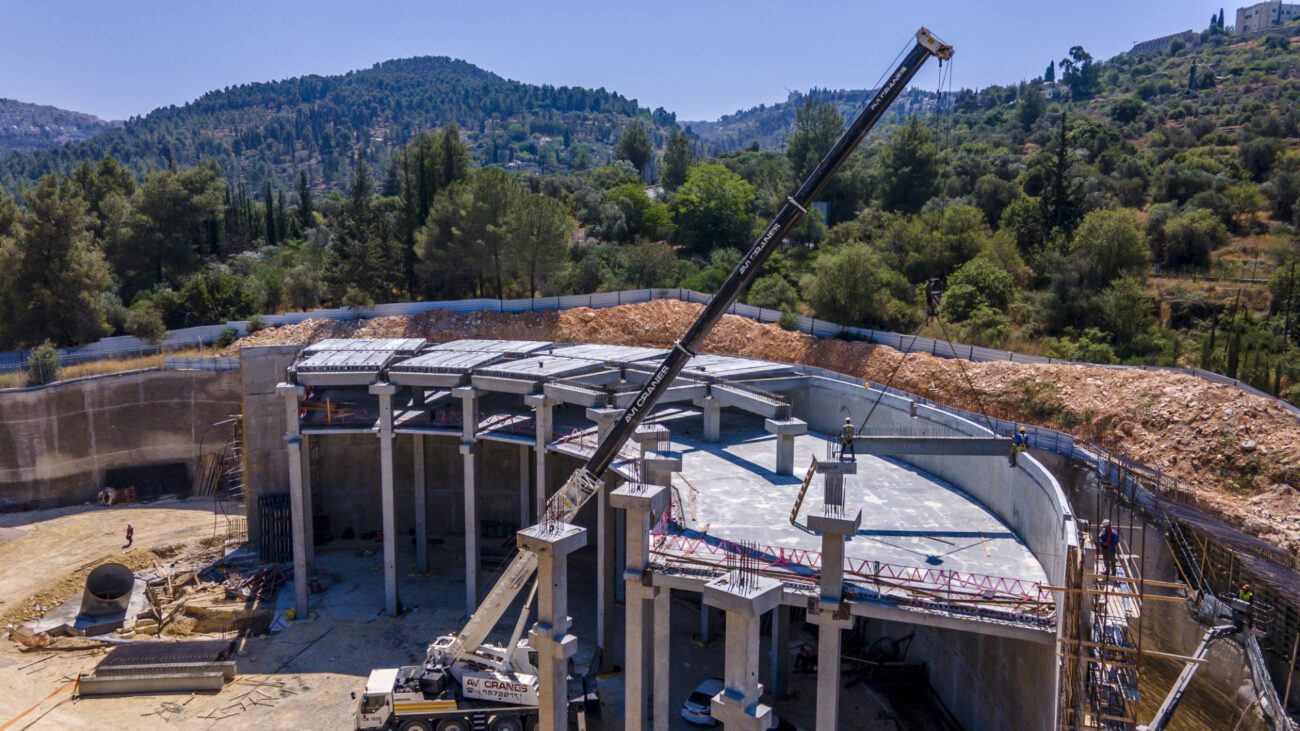
India’s coastal regions, home to millions of people, face severe freshwater shortages. Israeli desalination technologies, which have already proven successful in countries facing similar challenges, could be a game-changer for India. By converting seawater into potable water at a large scale, desalination plants can provide a consistent and reliable water source for both urban and rural populations. Companies like IDE Technologies, which have built some of the largest desalination plants in the world, could play a crucial role in supporting India’s water security strategy.
Smart Irrigation and Agricultural Water Efficiency
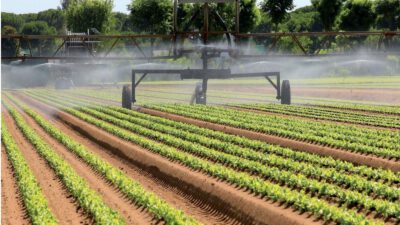
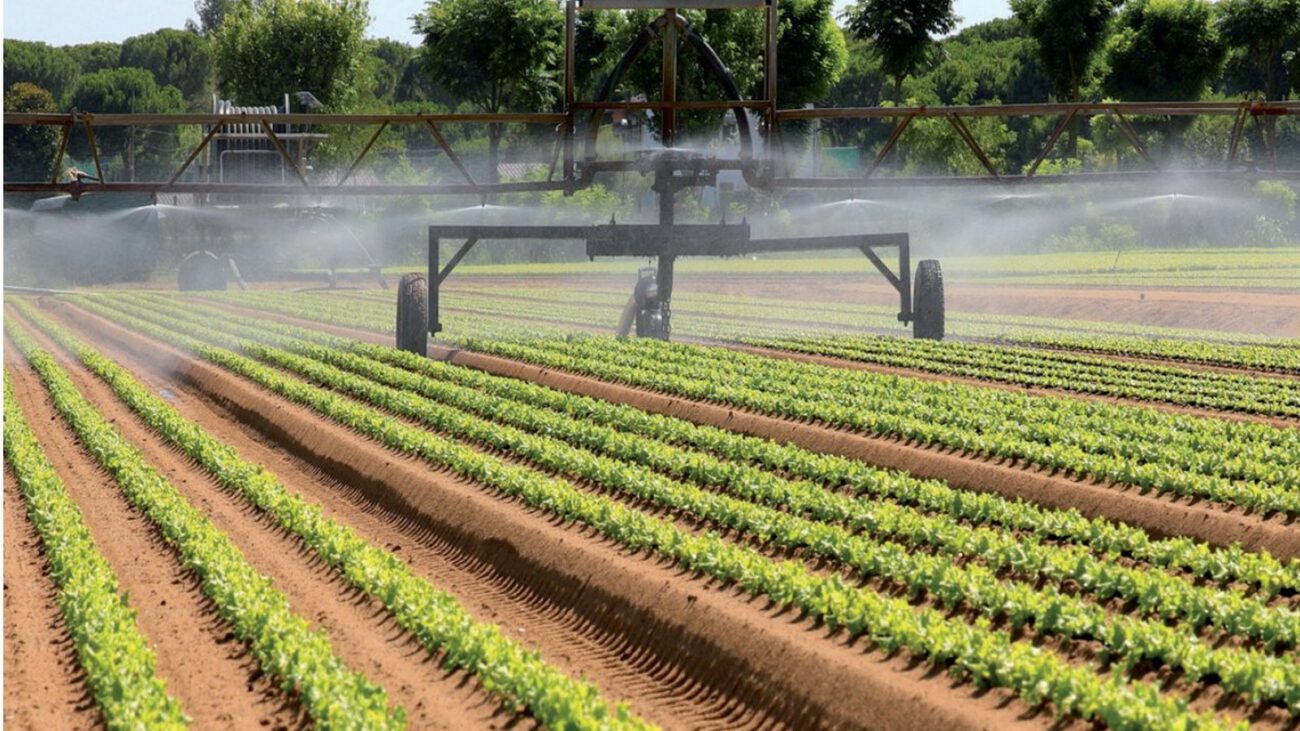
Agriculture is the largest consumer of water in India, accounting for nearly 80% of total water usage. However, inefficient irrigation methods, such as flood irrigation, lead to significant water wastage. Israel’s pioneering drip irrigation technology, developed by companies like Netafim and Rivulis, can drastically reduce water consumption while improving crop yields. By delivering water directly to plant roots in precise amounts, this method not only conserves water but also enhances agricultural productivity. Implementing such systems on a wider scale in India could help address both water scarcity and food security challenges simultaneously.
Wastewater Recycling and Water Reuse
India generates vast amounts of wastewater, much of which remains untreated and pollutes rivers, lakes, and groundwater sources. Israel’s expertise in wastewater treatment and reuse offers a sustainable solution to this issue. Advanced treatment facilities can purify wastewater for agricultural, industrial, and even domestic use, significantly reducing reliance on freshwater sources. Cities like Tel Aviv have demonstrated how effective water recycling can be in ensuring a stable supply for urban populations, a model that Indian cities could replicate.
Leak Detection and Smart Water Management
Urban areas in India experience significant water losses due to outdated infrastructure and leakage. Israeli companies such as TaKaDu specialize in smart water network management, using artificial intelligence and real-time monitoring to detect leaks and inefficiencies in municipal water systems. By integrating such technologies, Indian cities could save millions of liters of water daily, improving overall supply and reducing wastage.
India’s Commitment to Water Security and Future Collaboration
Recognizing the urgent need for better water management, the Indian government has allocated significant funds in its budget for water conservation projects, infrastructure improvement, and technological integration. Programs like the Jal Jeevan Mission aim to provide clean tap water to every household, an ambitious goal that could benefit greatly from Israeli expertise. Strengthening India-Israel partnerships in water technology could accelerate progress towards achieving sustainable water management across the country.
The Road Ahead: Strengthening India-Israel Water Cooperation
With both countries facing similar challenges in water scarcity, the India-Israel partnership in water technology holds immense potential. Israeli companies have already begun working with Indian municipalities, agribusinesses, and industries to introduce efficient water management solutions. Expanding these collaborations, sharing knowledge, and scaling up successful projects could lead to transformative changes in India’s water sector.
As the demand for water continues to grow, innovative and sustainable solutions will be key to securing India’s future water supply. By leveraging Israeli expertise in water conservation, treatment, and efficient usage, India can take significant strides toward overcoming its water challenges, ensuring a resilient and water-secure future for generations to come.